As global energy transitions accelerate, solar and wind power have emerged as the dual pillars of decarbonization. Rather than competing as mutually exclusive technologies, these energy sources function as a synergistic partnership. In modern power systems, the ultimate goal is not the dominance of one over the other, but the implementation of an integrated “Wind + Solar + Storage” ecosystem to ensure reliable, clean energy output.
1. Core Technical and Operational Differences
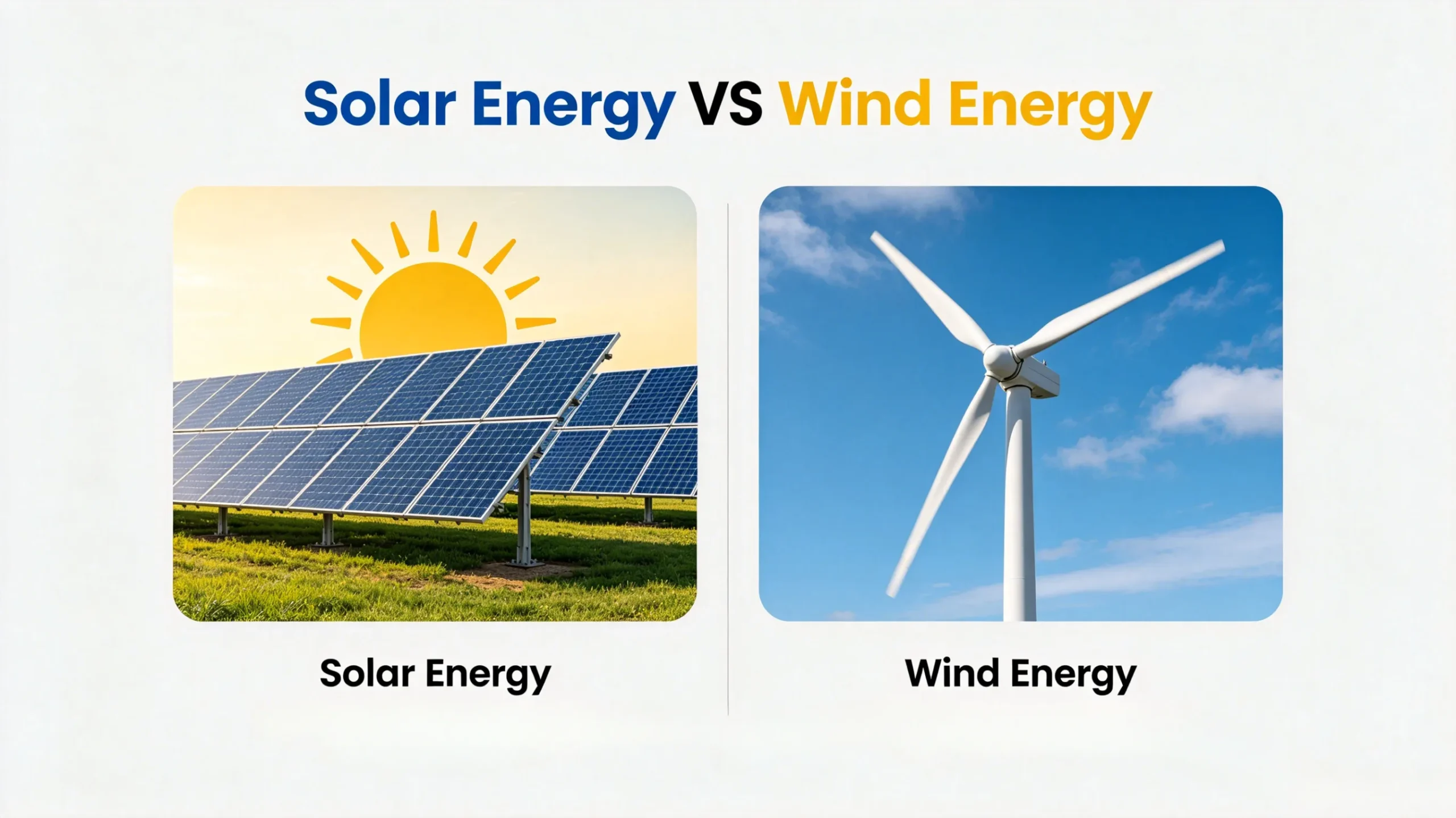
| Feature | Solar Energy | Wind Energy |
| Development Scale | Highly modular; scalable from residential to utility. | Infrastructure-heavy; typically utility-scale. |
| Operational Logic | Static operation; no moving parts. | Dynamic operation; complex mechanical systems. |
| Maintenance | Minimal; low wear and tear. | High; significant mechanical stress on components. |
| Predictability | High; standard “bell curve” daily output. | Moderate/Low; characterized by higher volatility. |
| Land Utilization | Exploits unused space (roofs, water bodies). | High composite utility; allows agriculture/grazing. |
| Approval/Social Acceptance | Generally high; minimal noise/visual impact. | Lower; often faces “NIMBY” concerns (noise/visuals). |
2. The Synergy of “Time-Axis” and “Seasonal-Axis” Complementarity
The primary challenge of renewable energy is intermittency; however, solar and wind exhibit a natural complementary behavior that simplifies grid management.
- Temporal Complementarity (Day vs. Night): Solar energy peaks during midday when sunlight is strongest, whereas wind speeds often increase at night due to temperature-driven pressure changes. A combined system ensures power generation continues through the night.
- Seasonal Complementarity (Summer vs. Winter): Solar generation is typically higher in summer due to longer daylight hours, while wind energy performance often peaks in winter when atmospheric pressure dynamics are more volatile. This ensures more consistent year-round output.
3. Strategic Considerations for Corporate Deployment
When choosing between these technologies, businesses should align their investment with local resources and operational constraints:
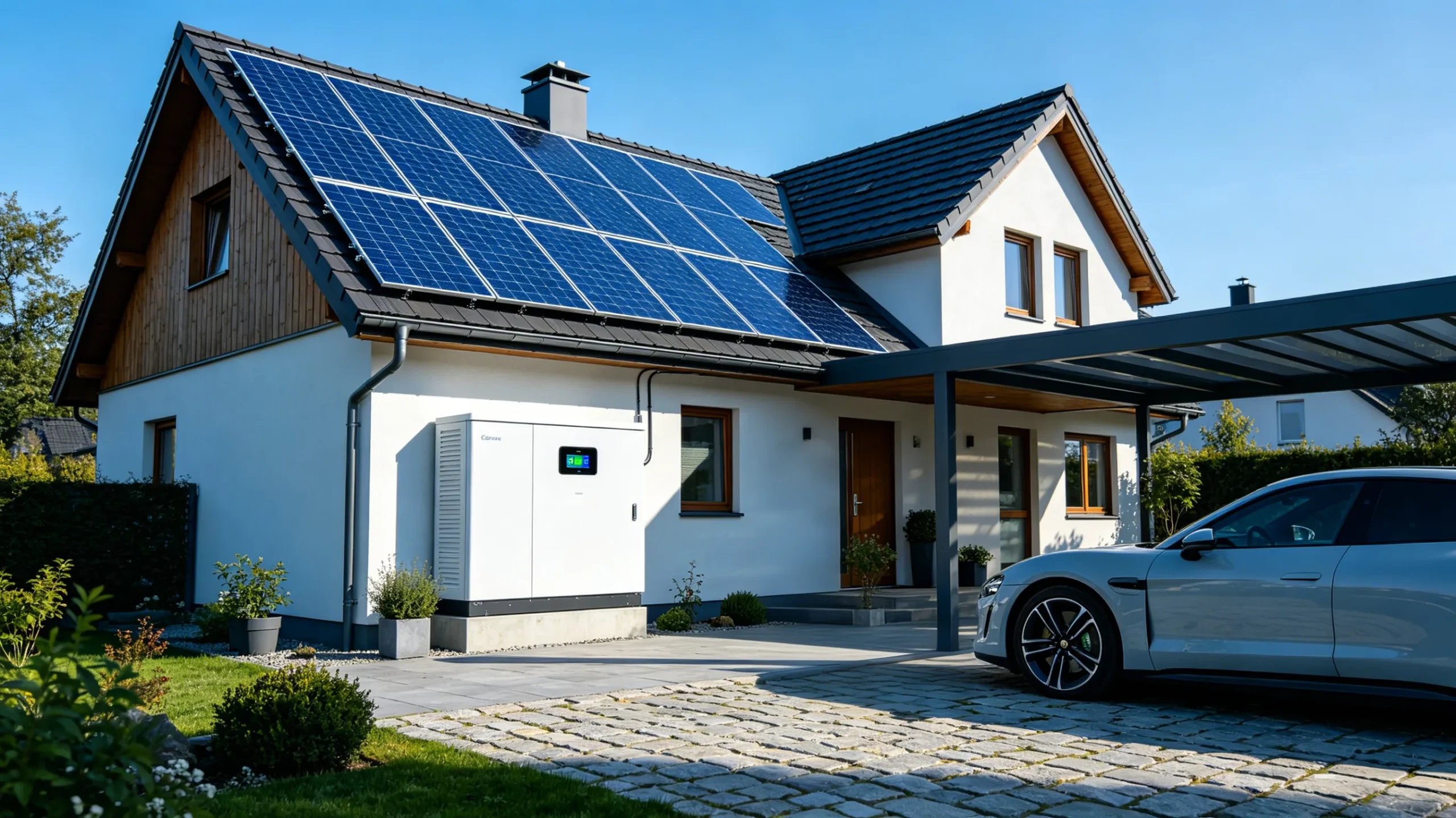
- Prioritize Solar if: The enterprise owns significant underutilized space such as industrial rooftops, warehouses, or commercial parking structures. Solar projects offer rapid deployment, low maintenance requirements, and clear return-on-investment (ROI) cycles.
- Prioritize Wind if: The facility is situated in geographic areas with high wind resources, such as coastal regions, high-latitude zones, or mountain passes. While wind projects require greater capital and carry longer development timelines, they may offer higher long-term yields in resource-rich areas.
4. The Future: Integrated “Wind-Solar-Storage” Systems
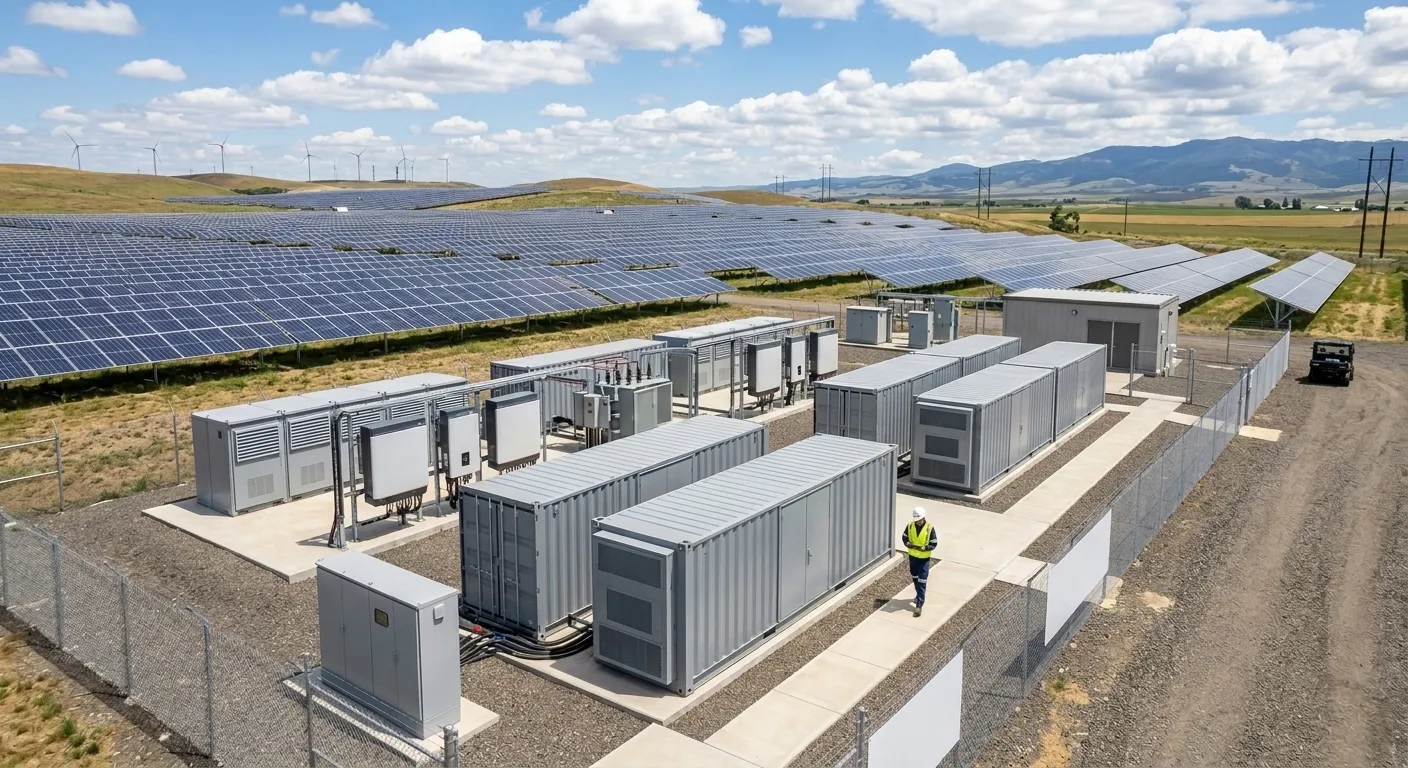
The global energy trend is shifting toward integrated utility bases that configure PV panels, wind turbines, and Battery Energy Storage Systems (BESS). By utilizing AI-driven scheduling and smart grid technology, these systems can achieve a level of stability that approaches traditional thermal power generation.
The competitive landscape of the future energy market no longer centers solely on generation capacity, but rather on the capability to provide clean power that is stable, low-cost, and available 24/7. Enterprises and nations that successfully manage the integration, storage, and intelligent dispatch of both wind and solar power will hold the greatest strategic advantage in the transition to a sustainable economy.