
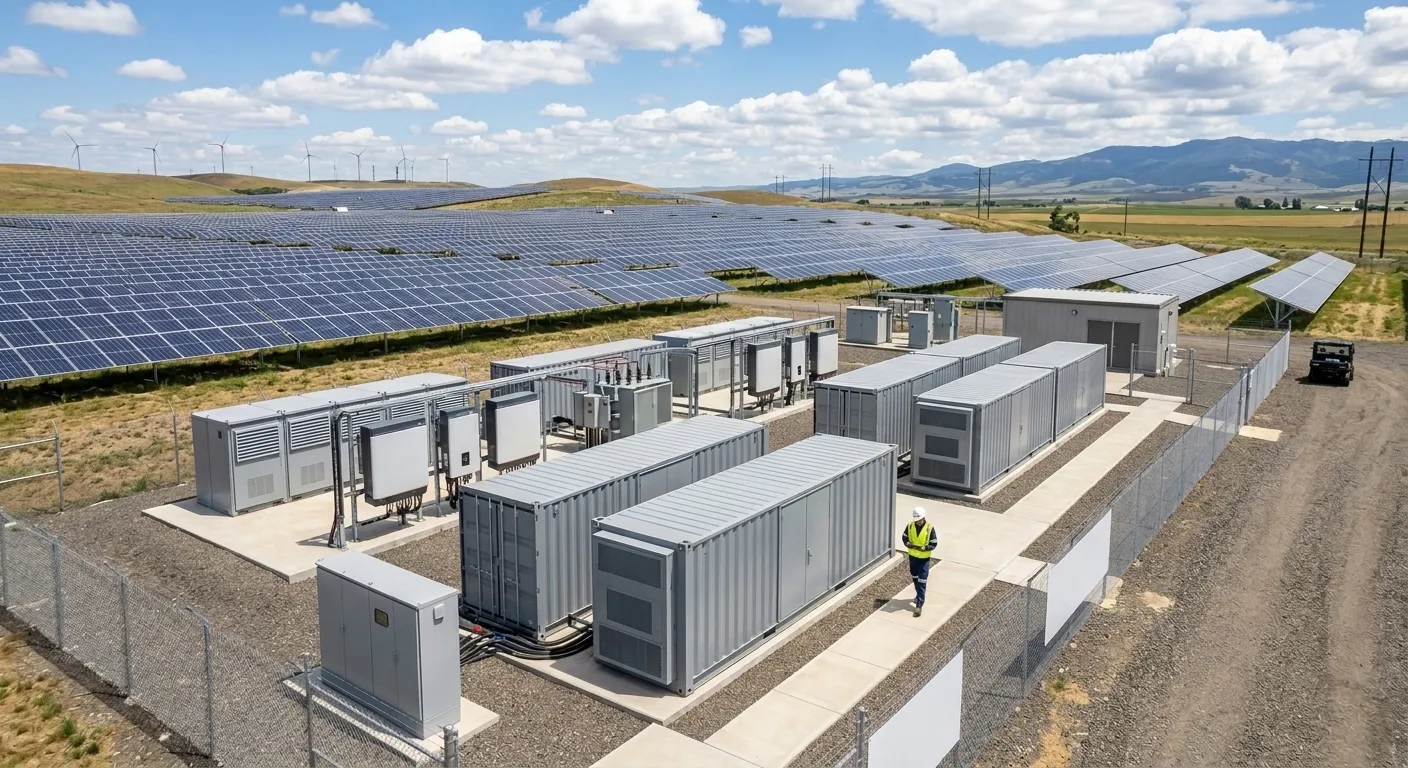
Solar energy has evolved beyond a symbolic “green initiative” for schools. Today, it stands as a sophisticated infrastructure asset that addresses financial burdens, energy security, and pedagogical innovation. For K-12 and university campuses, solar integration is a strategic choice driven by a fundamental reality: a school’s electricity demand profile is perfectly synchronized with solar generation peaks.
1. Strategic Deployment: Beyond the Rooftop
Modern campuses utilize multiple integration methods to maximize their available physical assets:
- Rooftop Photovoltaics: Libraries, gymnasiums, and cafeterias provide vast, unobstructed surfaces. Because these facilities operate at high power loads from 8:00 AM to 5:00 PM, solar generation is consumed in real-time, maximizing efficiency.
- Solar Carports: Transforming parking areas into “Solar Carports” provides dual value: generating electricity while offering shade and shelter. These structures are increasingly paired with EV charging stations to support school transport and staff vehicles.
- BIPV and Campus Landscaping: Advanced campuses integrate solar directly into architecture (Building-Integrated Photovoltaics), such as energy-generating glass walkways, solar-powered seating with device charging, and shaded gazebos, blending sustainability with campus utility.
2. Financial Models: Enabling “Zero-Down” Infrastructure
Budget constraints are often mitigated through sophisticated financing models designed specifically for public and educational institutions:
- Power Purchase Agreements (PPA): The most common model where third-party energy companies fund, build, and maintain the solar system. Schools avoid upfront capital expenditure and purchase the generated electricity at rates lower than grid tariffs for 15–20 years.
- Grants and Green Bonds: Schools often benefit from government-backed “Green Campus” initiatives, including low-interest loans, fiscal subsidies, and tax incentives.
- Capital Reinvestment: By converting electricity expenditures from a variable operating cost into a controlled, lower-cost asset, schools can redirect savings toward high-impact areas like laboratory construction, library resources, and teacher recruitment.
3. Multifaceted Campus Benefits
The installation of solar technology transforms a campus into a multi-purpose hub:
- The “Living Laboratory”: Solar systems function as tangible teaching tools. Data dashboards displayed in campus hubs provide students with real-time insights into energy generation, carbon reduction, and atmospheric data, effectively turning the campus into a STEM laboratory.
- Energy Resilience: When paired with Battery Energy Storage Systems (BESS), schools evolve into “microgrid centers.” During regional crises—such as extreme weather or grid outages—these schools can maintain essential functions, provide communication, and serve as community shelters.
- Institutional Brand and ESG: As parents and prospective students increasingly prioritize sustainability, a “Green Campus” improves an institution’s competitive position and global ranking, particularly for universities pursuing LEED certification or net-zero goals.
Conclusion
Installing solar energy in schools is not merely an act of environmental responsibility; it is a holistic investment in the future of the institution. By transforming rooftops and parking lots into revenue-generating and educational assets, schools create a “Green Campus” model that optimizes financial resources, enhances emergency resilience, and provides an immersive environment for the next generation of students.