Solar energy has evolved far beyond simple rooftop panels. It now represents a massive, multi-dimensional industry spanning power generation, industrial thermal systems, architecture, agriculture, and mobility. At its core, utilizing solar energy means capturing light and heat to provide electrical power, thermal energy, and environmental regulation, increasingly integrated into the very fabric of our cities and production systems.
1. Photovoltaic (PV) Generation: The Pillar of Clean Energy
Photovoltaics leverage the “photovoltaic effect” to convert light directly into electricity with no emissions, noise, or mechanical movement.
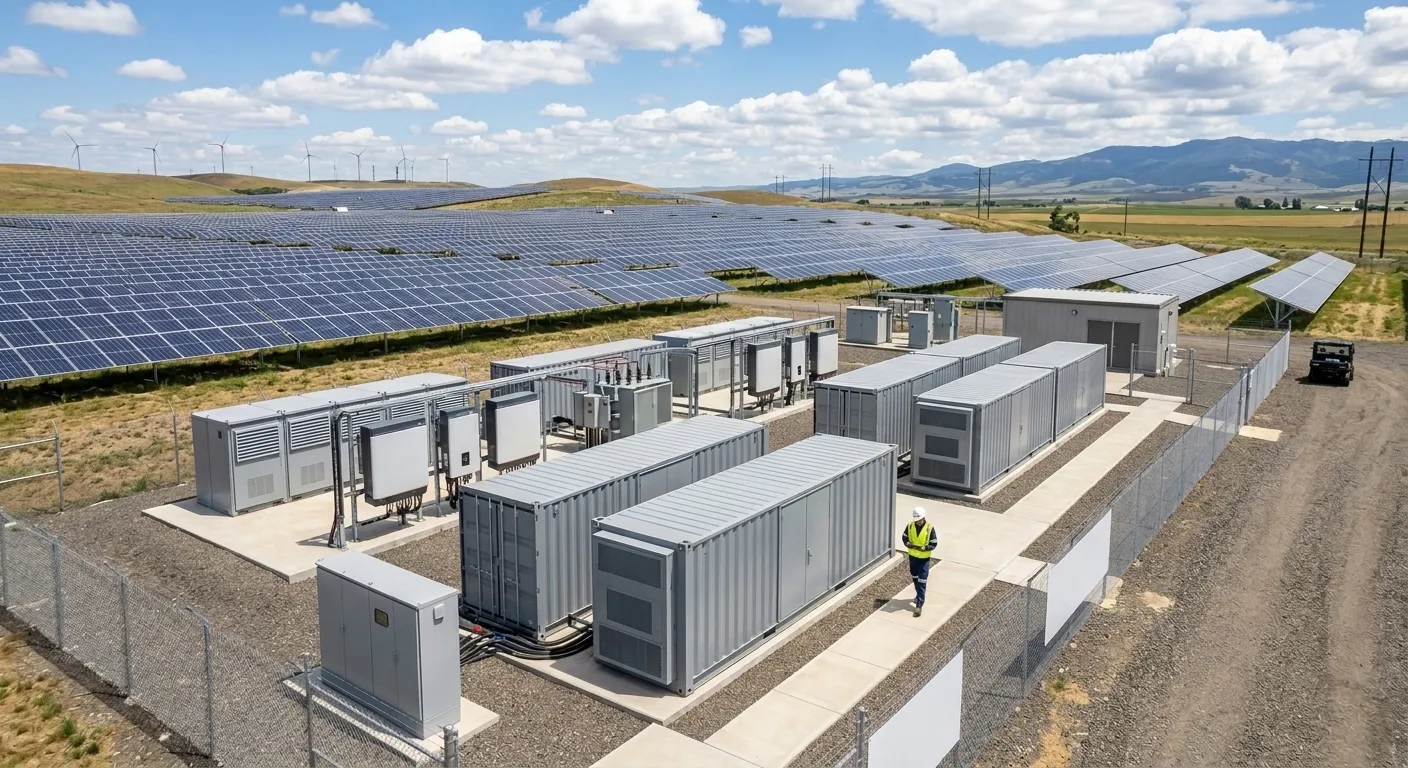
- Utility-Scale Ground Mounts: These large-scale facilities in deserts, salt flats, and abandoned land benefit from economies of scale, providing the most cost-effective electricity for national grids.
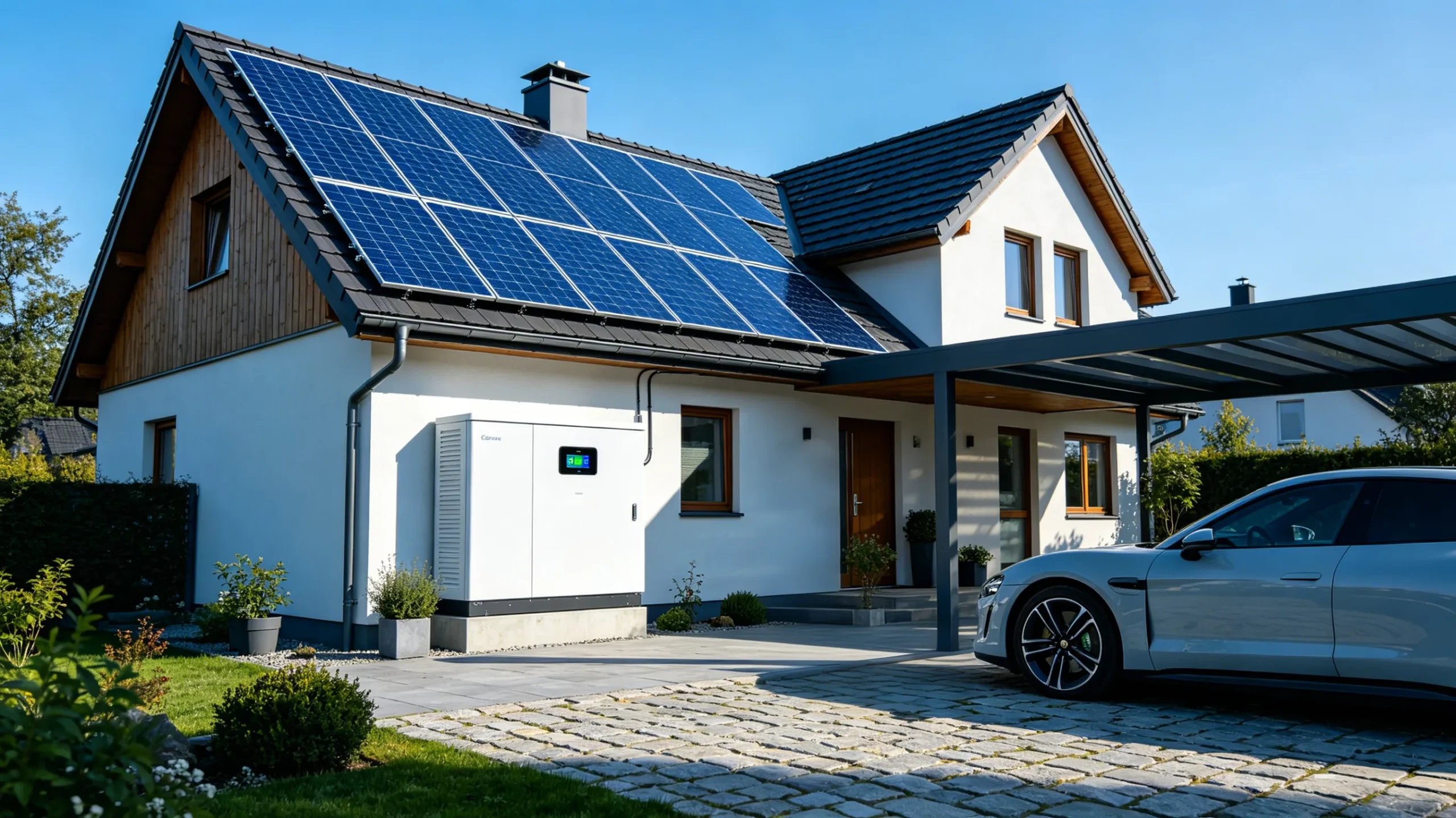
- Distributed Rooftop Solar: This model prioritizes “generation at the point of use.” For households, it transforms the roof into a long-term asset, often utilizing Net Metering to offset electricity costs or earn revenue. For businesses, it creates a synchronization between daytime solar generation and high operational loads, significantly reducing commercial electricity bills while improving ESG ratings.
- Solar-Storage-Charging (光储充): A critical development for the future, these systems integrate PV generation, battery storage, and EV charging, allowing for peak-load shifting and energy independence, even during grid outages.
- Mobile/Portable Applications: Due to its extreme modularity, solar powers everything from calculators and camping gear to satellites and spacecraft, where reliability is non-negotiable.
2. Solar Thermal: The “Light-to-Heat” Advantage
Often overlooked, direct thermal utilization frequently achieves higher efficiency than converting light to electricity to then produce heat.
- Solar Water Heating: The classic, highly efficient model that bypasses the energy losses associated with electricity generation and transmission.
- Concentrated Solar Power (CSP): By using mirrors to focus sunlight to heat molten salt or thermal oil, CSP plants can generate high-temperature steam to drive turbines. Crucially, the molten salt retains heat, allowing for stable power generation even after the sun sets, solving the intermittency issue.
- Industrial Thermal Applications: Many industries (e.g., food processing, textiles, chemicals) require heat rather than electricity. Solar thermal systems replace coal or gas boilers, drastically reducing fuel costs and carbon footprints.
3. Cross-Industry Integration
Solar energy is increasingly merging with other sectors to create synergistic value:
- Agrivoltaics (Agriculture): By mounting PV panels above crops, farmers achieve dual revenue streams. The panels provide shade, which optimizes the growth environment for shade-tolerant plants like medicinal herbs or certain vegetables, while the panels generate electricity.
- Fishery-Solar Integration: Floating solar on fish ponds reduces water evaporation and suppresses algae overgrowth, while generating electricity, resulting in a dual benefit for aquaculture and energy.
- Passive Solar Architecture: Beyond active panels, smart building design—such as optimized orientation, high-thermal-mass materials, and integrated shading—minimizes energy demand for cooling and heating by utilizing solar dynamics naturally.
Summary: The Shift in Energy Logic
The transition to solar energy is fundamentally changing how we consume power:
- From Centralized to Decentralized: Solar enables energy production to occur at the site of consumption, whether it is a home, a factory, or a farm.
- Energy Assets: Solar is evolving from an “environmental expense” into a “long-term asset” that enhances property value and stabilizes energy costs.
- Solar Ecosystems: The future of solar energy lies in integration, where buildings generate their own power, industrial facilities manage their own storage, and cities form microgrids, making “energy self-production” accessible to everyone.