In the context of the global energy transition and rising carbon-neutrality mandates, solar energy has evolved into a strategic lever for cost reduction, competitive advantage, and ESG performance. Unlike residential setups, corporate solar deployment requires a systematic approach that balances financial structures, asset management, and operational models. This guide outlines the four primary utilization modes and the three core steps for successful implementation.
1. Four Primary Modes of Corporate Solar Utilization
- On-site Distributed Solar (Self-built):
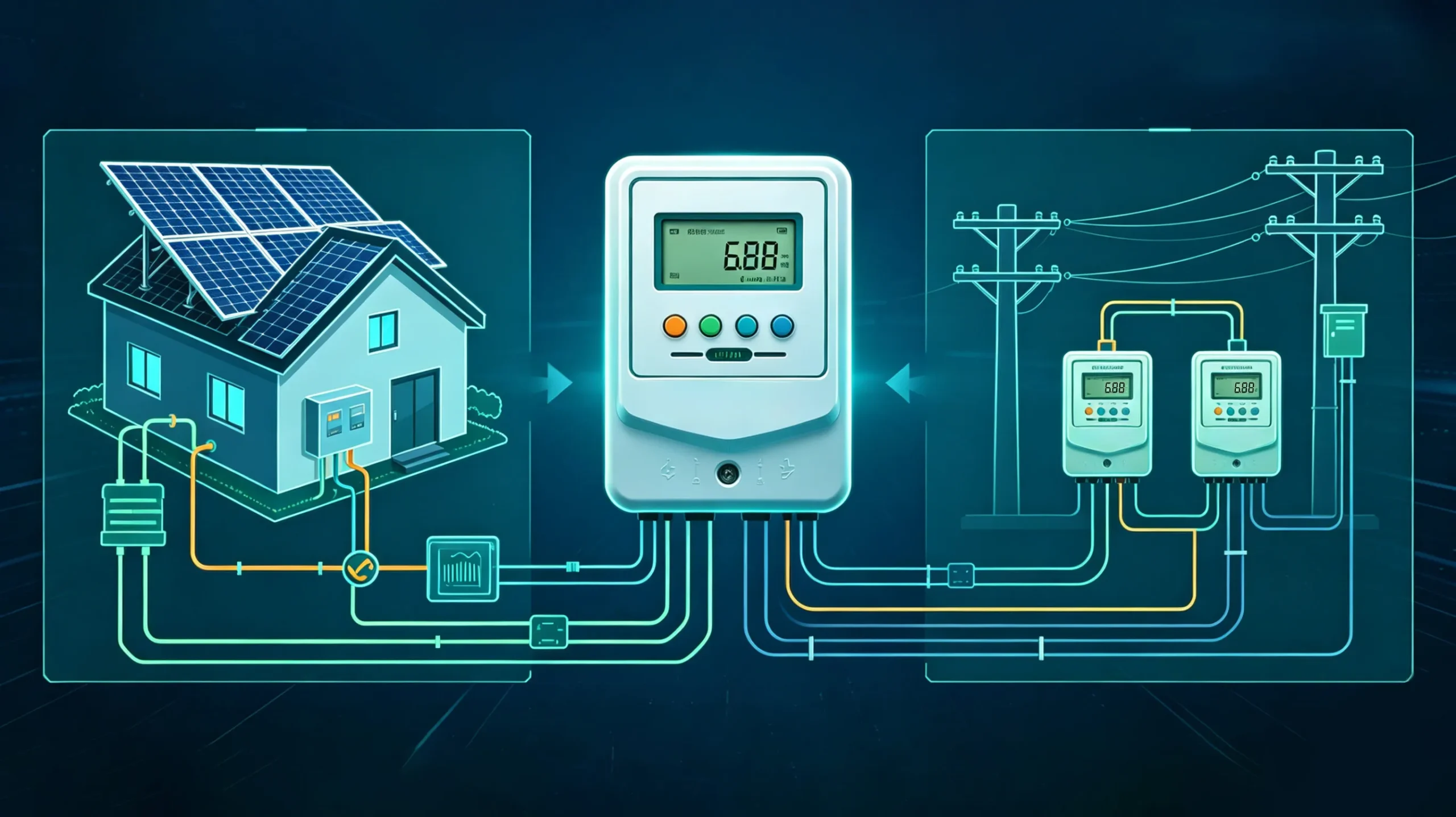
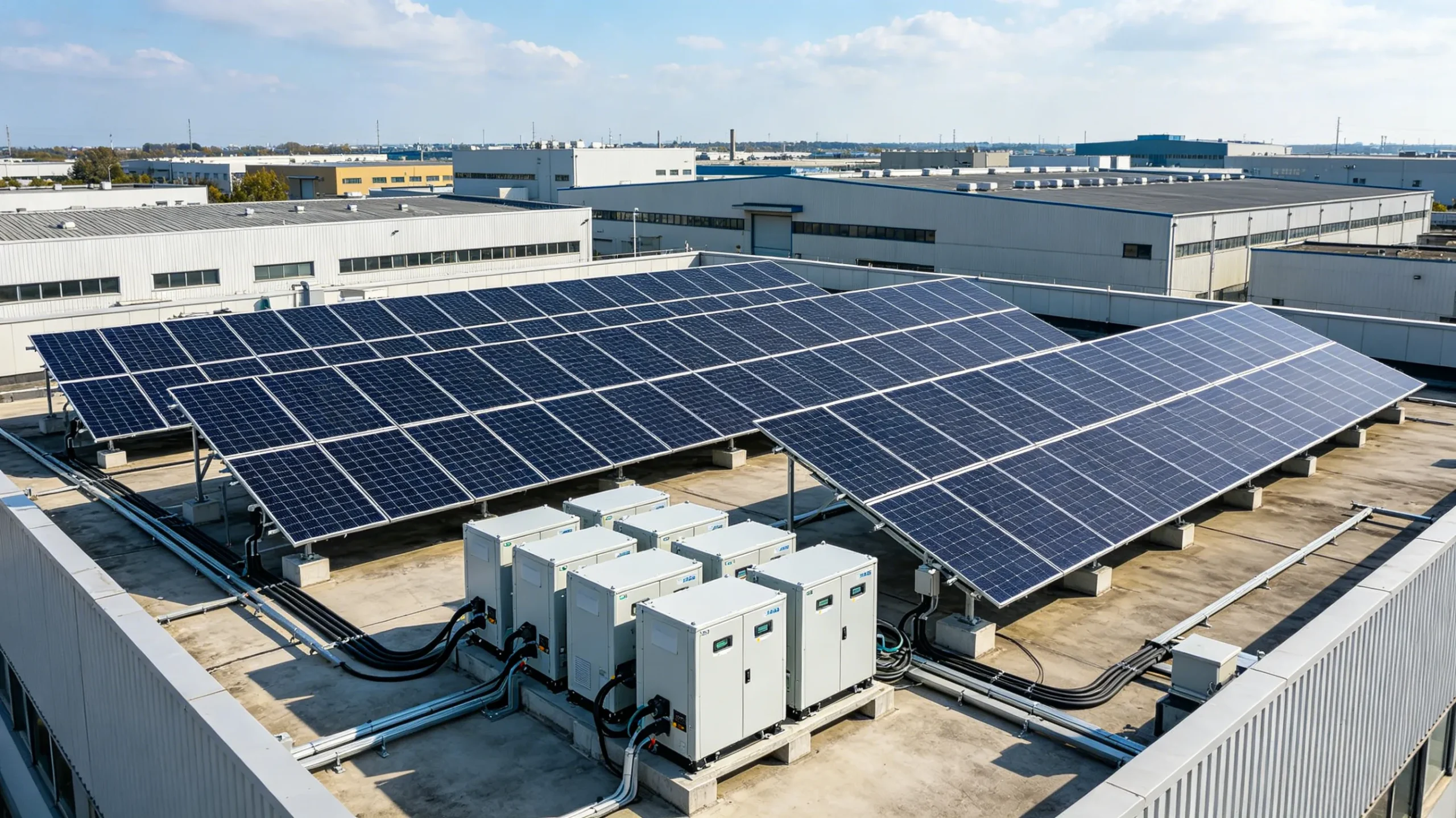
- Self-Consumption: Businesses leverage assets like factory rooftops, warehouses, or carports to generate power, supplying production lines directly and exporting surplus to the grid.
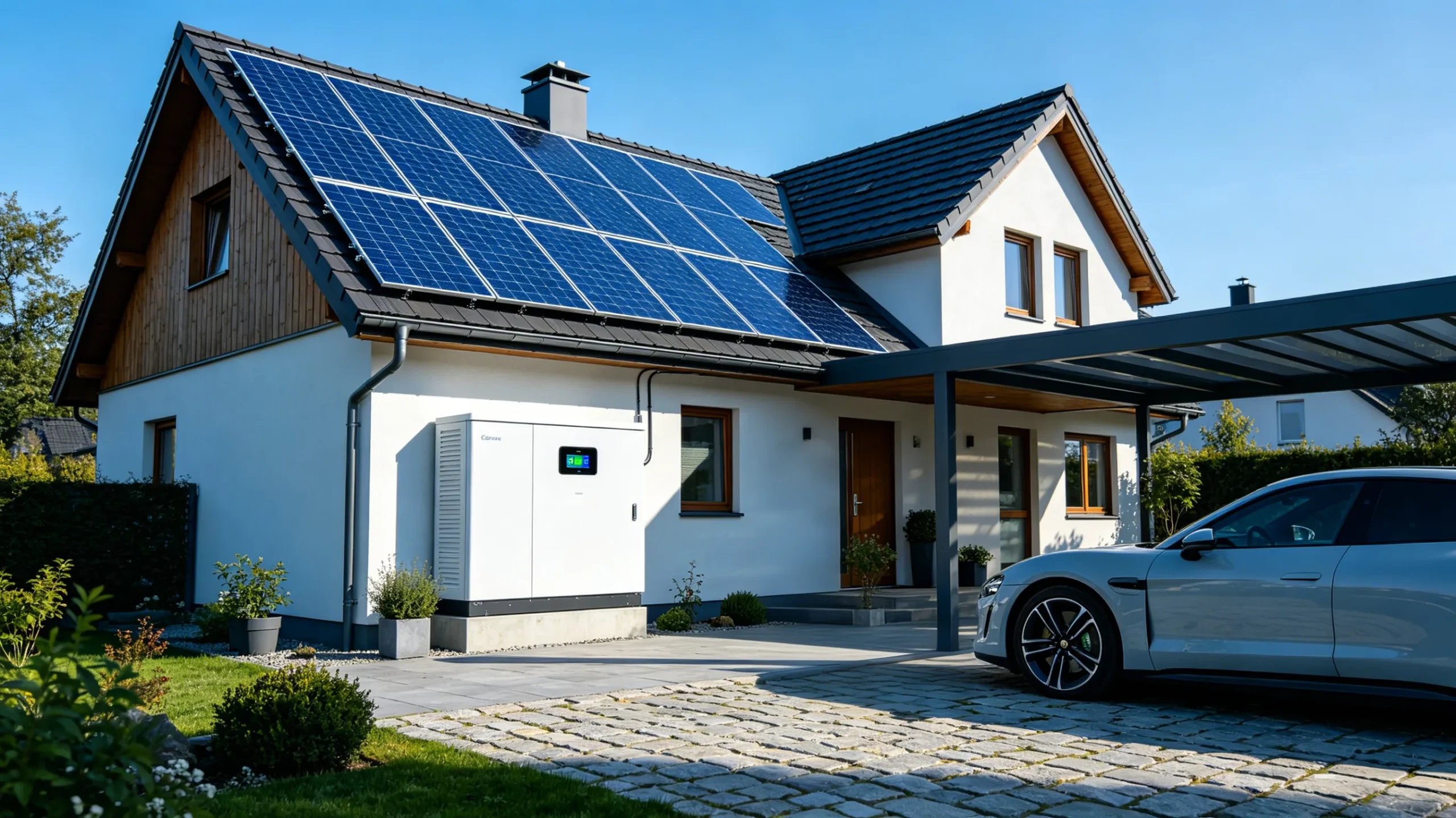
- Integrated Solutions (Solar + Storage + EV): The inclusion of industrial battery storage and charging stations allows for peak-load shifting and energy autonomy.
- Suitability: Ideal for manufacturing, heavy industry, and logistics companies with high daytime power consumption and ample roof space.
- Power Purchase Agreement (PPA):
- Mechanism: Enterprises sign long-term (10-20 year) contracts with third-party providers who fund, build, and operate the system; the company then purchases electricity at rates lower than grid tariffs.
- Advantages: Enables off-balance-sheet financing and provides immediate electricity cost discounts with zero maintenance burden.
- Suitability: Best for companies with constrained cash flow that desire a clean energy transition.
- Virtual Power Purchase Agreement (VPPA / Off-site PPA):
- Mechanism: Businesses enter financial contracts with remote utility-scale solar plants to lock in green energy prices and secure Renewable Energy Certificates (RECs).
- Advantages: Allows enterprises to meet global ESG and RE100 targets without physical onsite energy consumption.
- Suitability: Ideal for multinational headquarters, data centers, and office hubs with limited rooftop space.
- Roof Leasing:
- Mechanism: Enterprises with large, underutilized roof areas lease their space to solar developers who handle all operations, providing the landlord with fixed rental income.
- Advantages: Provides a zero-risk, zero-maintenance stream of stable cash flow.
- Suitability: Perfect for large logistics, warehousing, or commercial real estate enterprises with unused roof space.
2. Core Implementation Roadmap
- Step 1: Feasibility Assessment and Resource Audit:
- Structural Integrity: Ensure roofs can support component weights and account for roof lifespans to prevent conflicts with future maintenance.
- Load Profiling: Analyze 12 months of electricity usage to match installation capacity with actual daytime demand patterns.
- Step 2: Financial and Business Model Design:
- Economic Evaluation: Calculate Internal Rate of Return (IRR) and Payback Period, integrating local subsidies and tax incentives (e.g., U.S. ITC or accelerated depreciation).
- Model Selection: Choose between CapEx (self-build for maximum returns) or OpEx (PPA for zero upfront investment) models.
- Step 3: Grid Interconnection and EPC Execution:
- Compliance: Secure required distributed solar grid-connection permits.
- Construction and Maintenance: Engage professional EPC firms for installation and integrate smart monitoring platforms to track inverter performance and maintenance alerts.
Decision-Making Recommendations
- High-Energy Industrial Plants: Prioritize “Self-built Solar + Storage” to maximize cost savings and revenue.
- Cash-Constrained Enterprises with Roof Potential: Utilize the “Roof PPA” model for immediate electricity discounts without capital expenditure.
- Offices or Roofless Facilities with ESG Targets: Utilize “VPPA” or purchase green electricity certificates (I-REC) to satisfy sustainability requirements.
Corporate solar deployment is a strategic decision rather than merely an engineering investment. By aligning the correct deployment model with an enterprise’s financial structure, businesses can lower energy costs, achieve carbon neutrality, and strengthen their financial performance simultaneously.