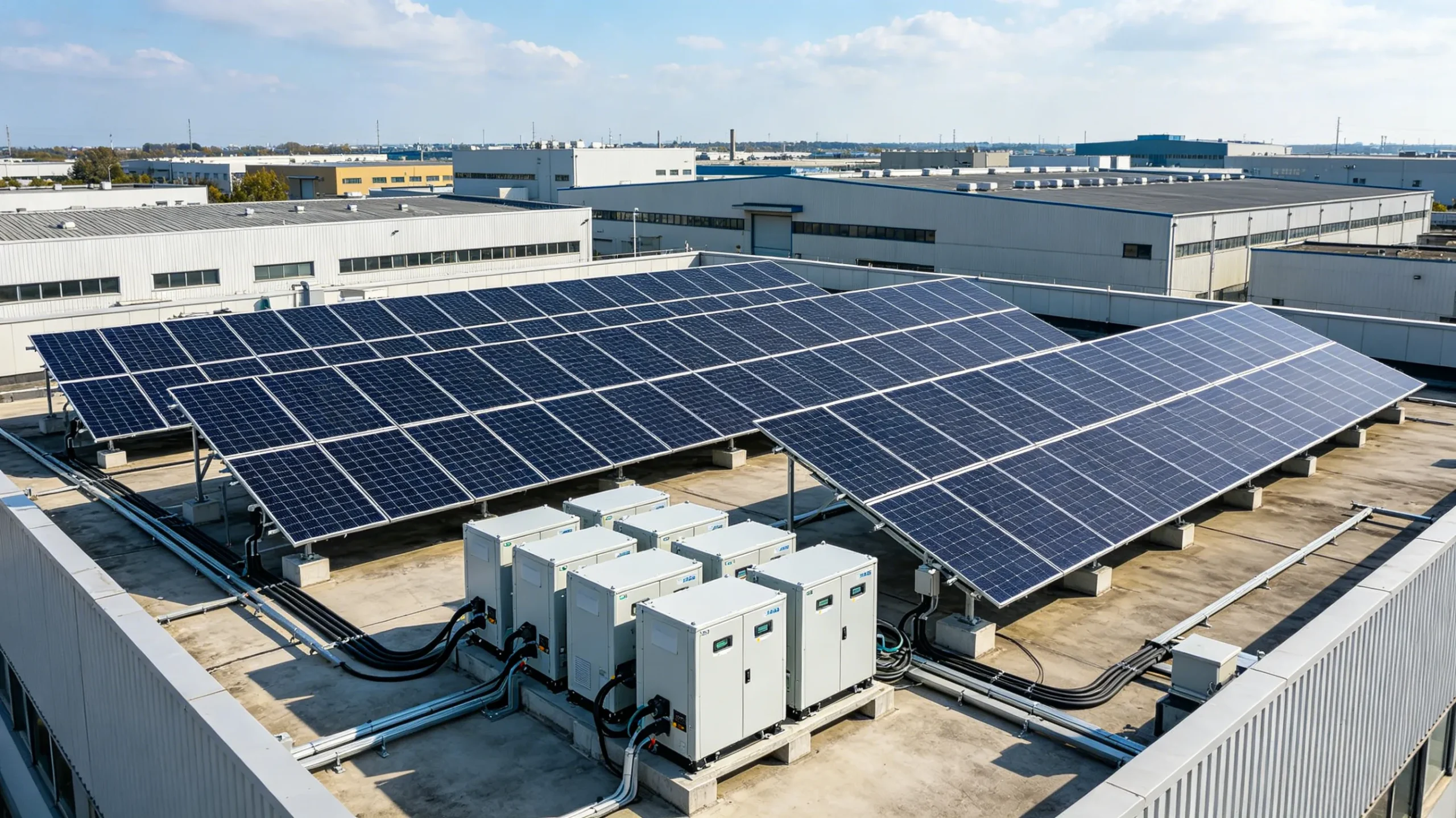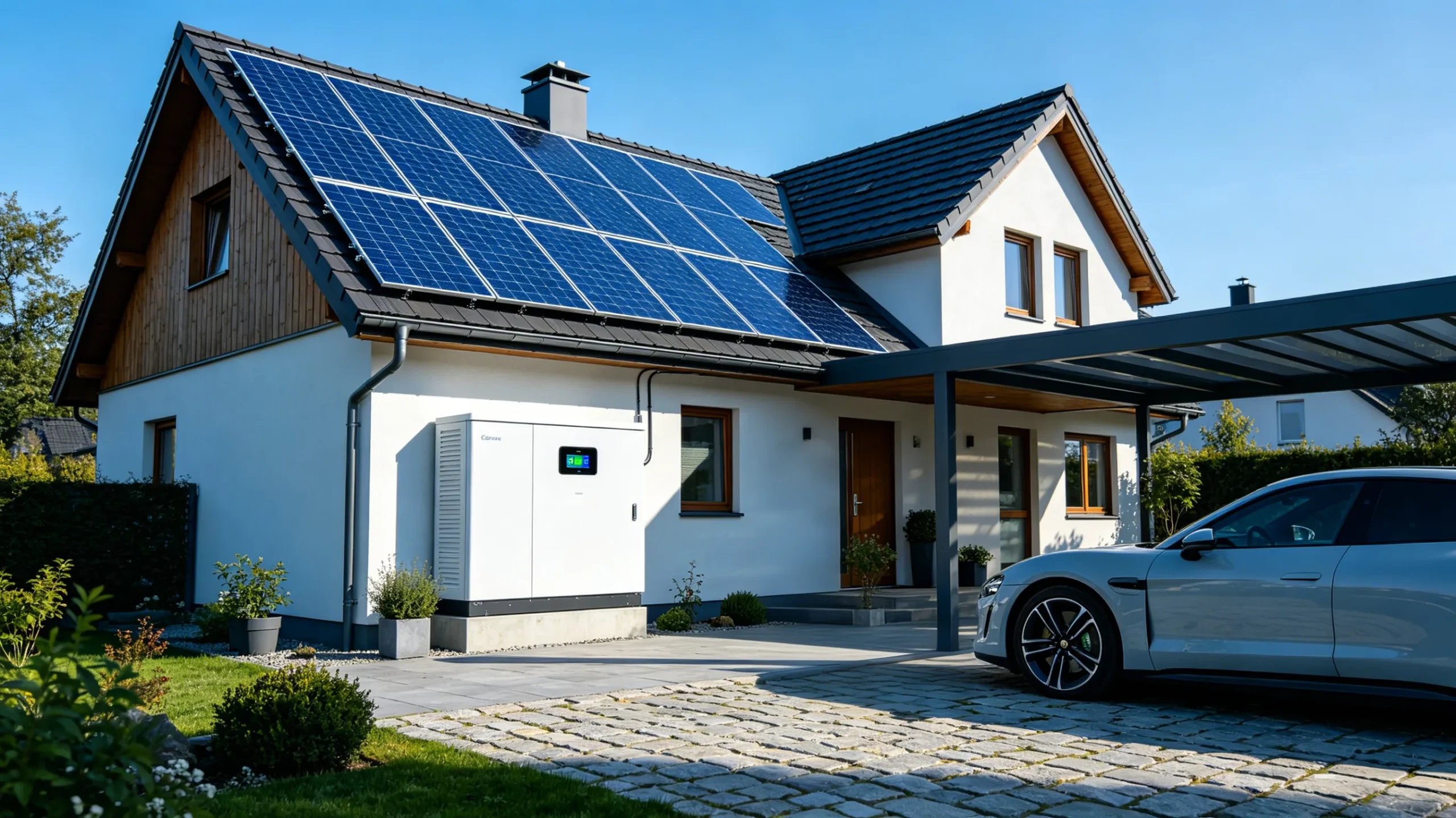
As solar technology matures, residential and corporate users are evolving from mere electricity consumers into “prosumers”—producers and consumers of energy who actively participate in the electricity market. By integrating photovoltaic (PV) systems with public grids, users can transform their rooftops into micro-power plants that reduce expenses and generate sustained revenue.
1. Three Core Business Models for Selling Solar Energy
- Net Metering (The Prosumer Standard):
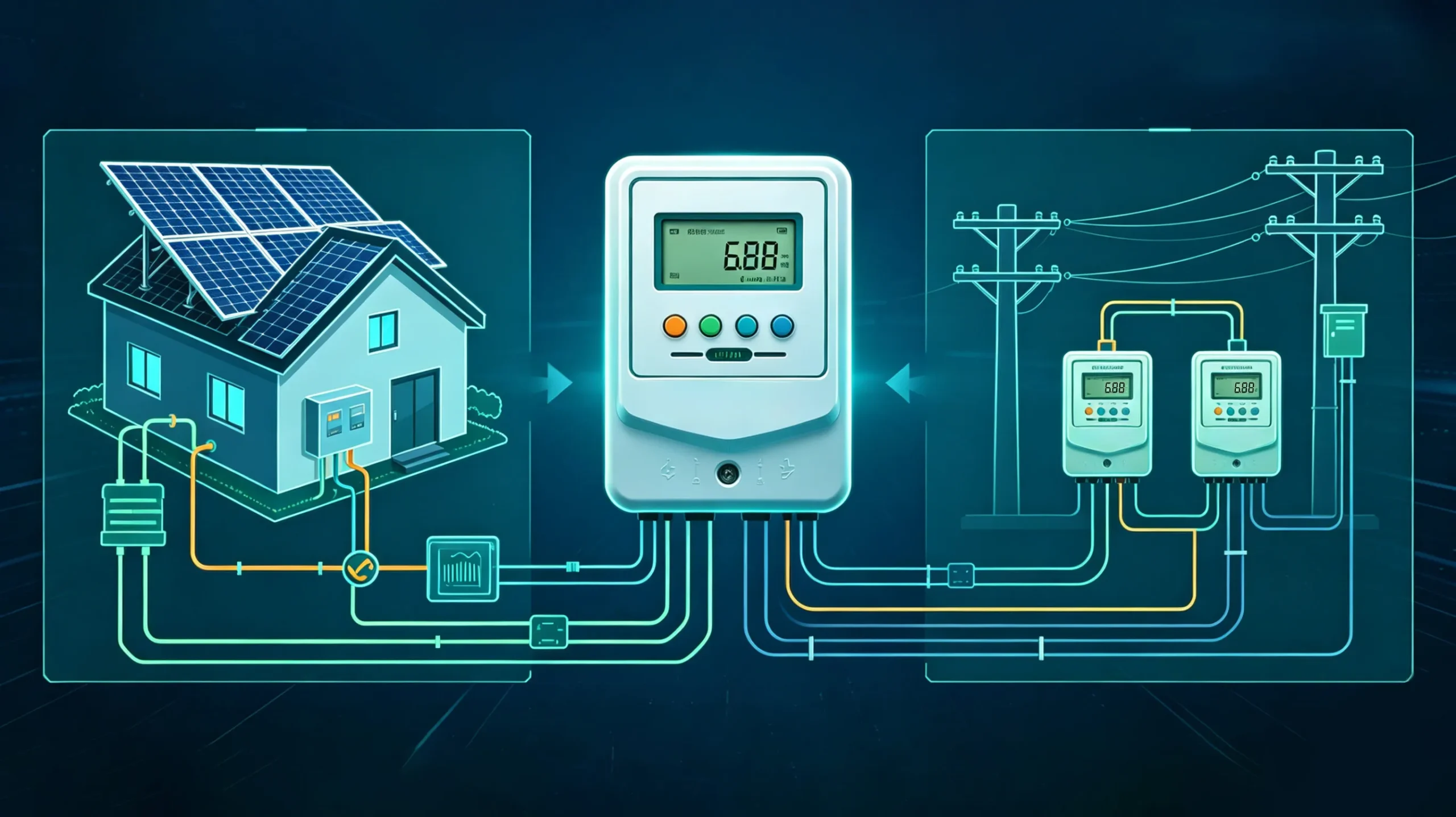
- Mechanism: Users install bi-directional smart meters that track electricity imported from and exported to the grid. Surplus energy generated during the day is exported, effectively “spinning the meter backward”.
- Financial Benefit: It serves as a “virtual battery” where one exported kilowatt-hour (kWh) often offsets one imported kWh, allowing for significant bill reduction.
- Suitability: Most applicable for residential homes, small businesses, and small-to-medium factories.
- Feed-in Tariffs (FiT):
- Mechanism: Generation and consumption are settled separately. All electricity produced by the solar system is sold to the grid at a fixed, government-guaranteed rate, while the user continues to purchase electricity as normal.
- Financial Benefit: Provides stable, long-term cash flow unaffected by market price volatility.
- Suitability: Traditionally used for large-scale solar farms, agricultural projects, and professional energy investments.
- Virtual Power Plants (VPP) and Real-Time Trading:
- Mechanism: This model utilizes AI-driven energy management and smart storage batteries to engage in “price arbitrage”—storing solar energy during the day and discharging it back to the grid during peak-demand hours when electricity prices spike.
- Financial Benefit: As markets become more decentralized and intelligent, the ability to store and trade electricity at peak prices is becoming more valuable than raw generation capacity.
- Suitability: Representing the future of the energy market, this model is ideal for participants in advanced markets like Australia and Texas (USA).
2. Standardized Implementation Roadmap
To legally sell solar energy, both households and enterprises must follow a formal procedure:
- Grid Interconnection Approval: Submit technical documentation, including electrical diagrams, inverter specifications, and anti-islanding protection certifications to the utility provider.
- Bi-directional Meter Installation: The utility provider will replace existing meters with smart meters capable of tracking two-way flow.
- Power Purchase Agreement (PPA) Signing: Finalize contracts specifying the sales price, settlement cycles, and taxation protocols (e.g., fixed vs. dynamic time-of-use pricing).
3. Critical Factors for Maximizing ROI
- Anti-Islanding and Grid Resilience: A common misconception is that solar panels provide power during grid failures. Standard grid-tied inverters automatically shut down to prevent back-feeding the grid during maintenance. To maintain power during outages, users must integrate energy storage batteries and an automatic isolation gateway to create a home microgrid.
- Optimal System Sizing: Excess capacity is often inefficient, as utility companies may provide very low (or zero) compensation for power generated beyond annual consumption needs. Therefore, the ideal system size is typically one that aligns with the annual total consumption of the household or enterprise rather than maximizing the total installation area.
Conclusion
Solar energy sales represent more than just cost savings; they are a fundamental shift in the global energy infrastructure. As markets transition toward decentralized, intelligent networks, the core competency for future energy participants will shift from “generating power” to “managing, storing, and trading power”.