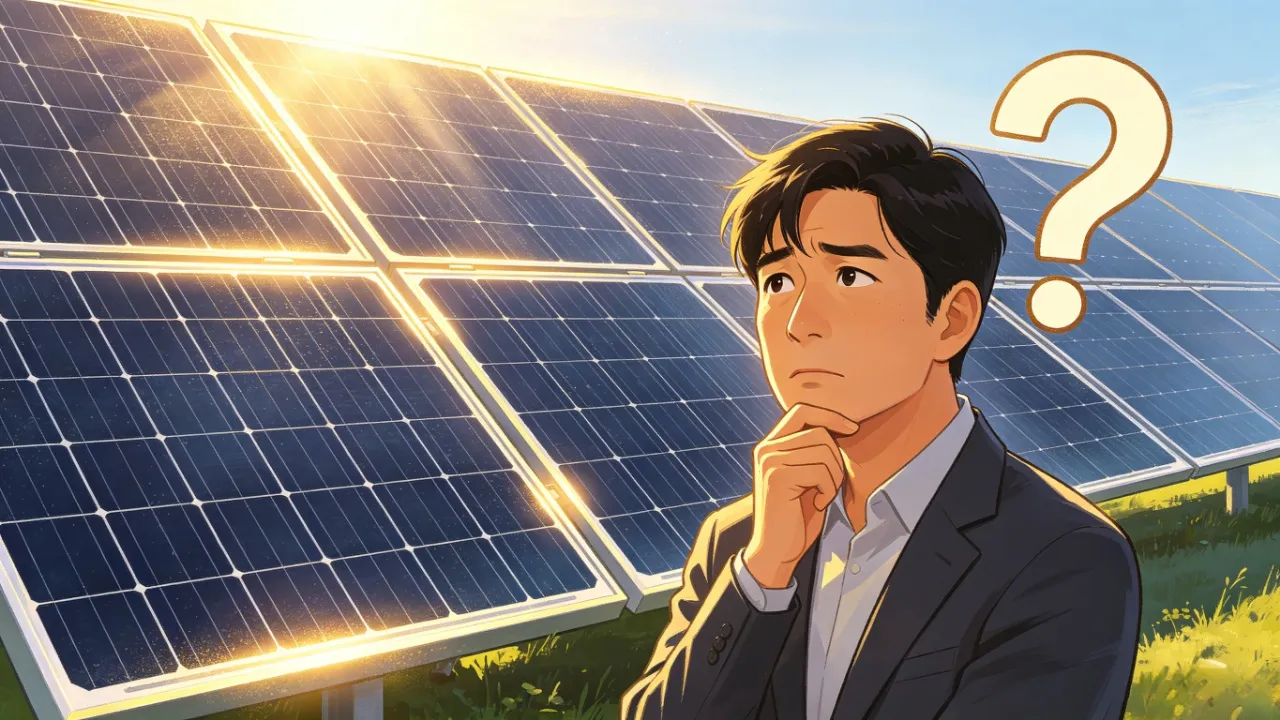
Introduction: The Strategic Imperative of Photovoltaics
As the global energy landscape undergoes a systemic transition toward decarbonization, solar cells (photovoltaics) have emerged as the foundational components for light-to-electricity conversion. Compared to conventional fossil fuels, solar cells offer a clean, emission-free, and highly flexible energy solution with long-term investment viability. However, the technology is governed by strict physical and environmental parameters. This analysis evaluates the technical, operational, and performance characteristics of solar cells to provide a strategic reference for individual and corporate stakeholders.
Core Advantages of Modern Solar Cells
- Continuous Technical Evolution: Solar conversion efficiencies are on a persistent upward trajectory. The integration of N-type architectures, such as TOPCon and HJT, alongside emerging perovskite-tandem technologies, allows for consistent breakthroughs in power output per square meter.
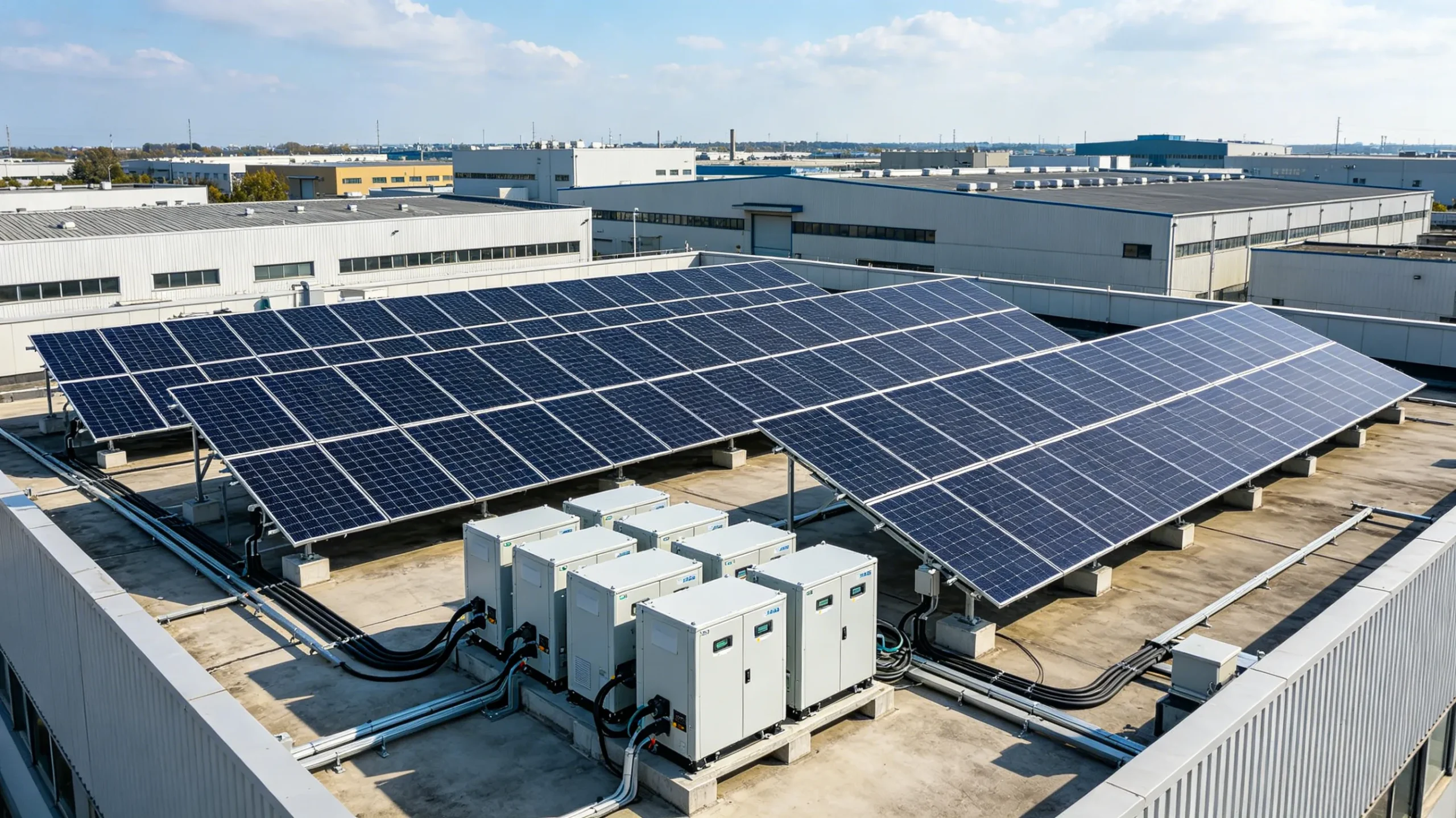
- Modularity and Scalability: Solar cells operate on a “modular” design logic, ranging from milliwatt-scale power for small electronics to megawatt-scale utility farms. This design philosophy allows users to customize installations based on specific spatial constraints and load requirements.
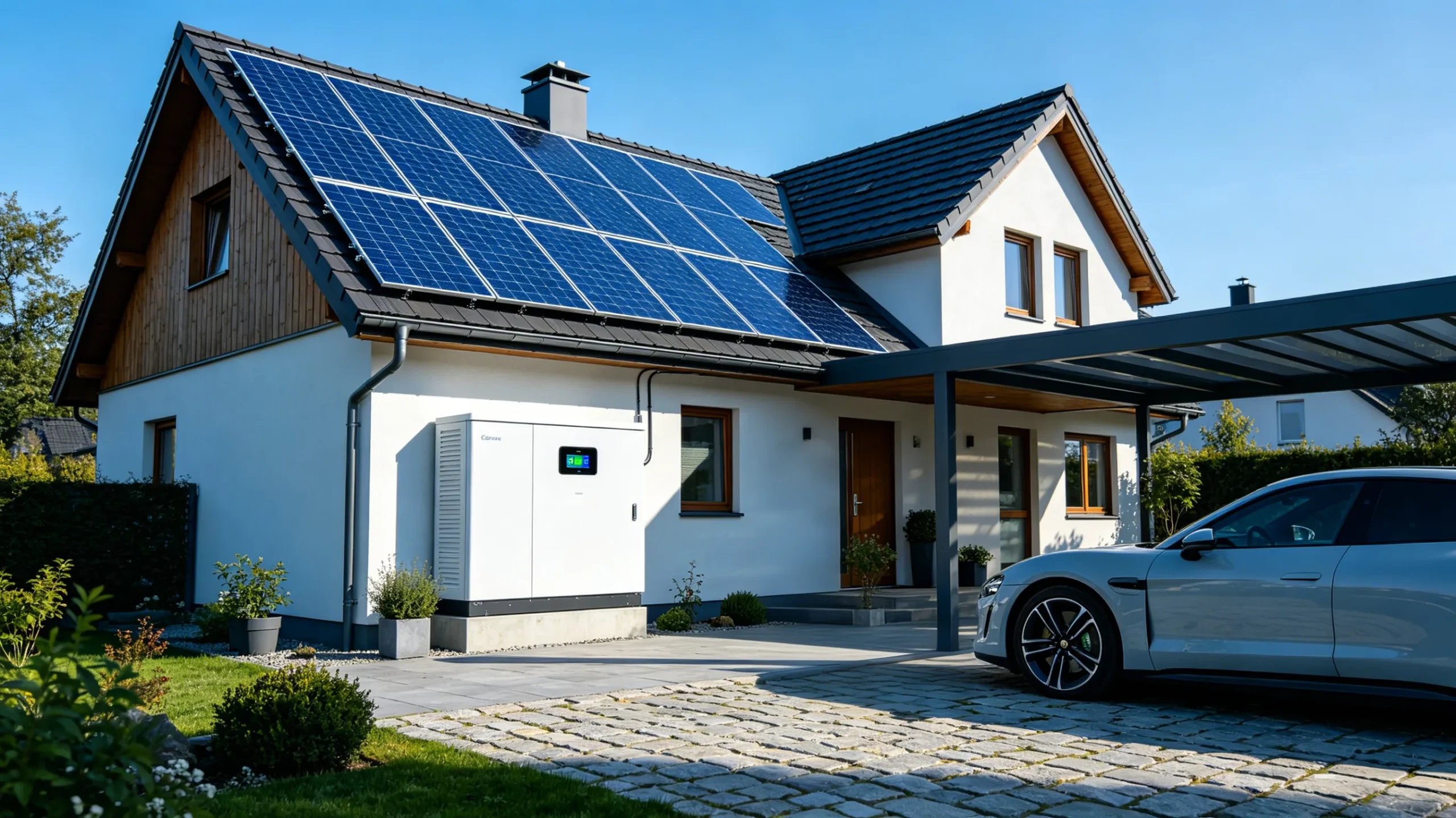
- Environmental Adaptability and Silent Operation: Photovoltaic systems function silently without vibration or emissions and require no water for cooling. This versatility allows for deployment on rooftops, carports, or floating platforms—where water bodies can actually enhance performance via natural cooling effects—making them suitable for both urban and remote environments.
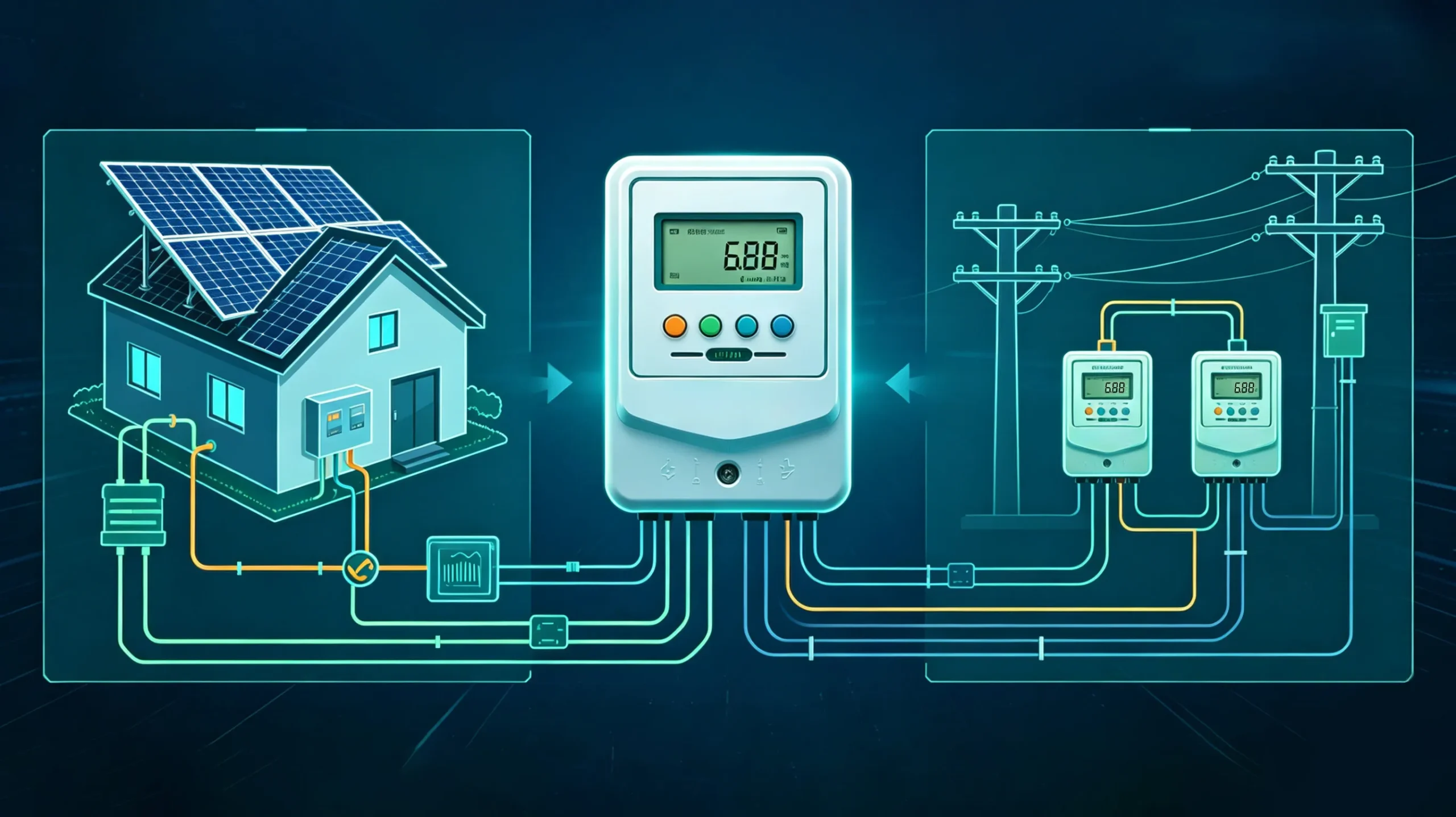
- Intelligence and Low Operational Barriers: Modern solar systems utilize IoT-enabled inverters, allowing users to monitor performance curves and battery status in real-time via mobile applications. This integration reduces the need for manual technical intervention.
- Long-term Reliability: Standard crystalline silicon modules are engineered for a 25-30 year service life. Encapsulated in reinforced glass, these components are built to withstand extreme weather conditions, including high winds and hail.
Primary Limitations and Challenges
- Physical Efficiency Limits (The Shockley-Queisser Limit): Single-junction silicon solar cells are constrained by a theoretical thermodynamic efficiency limit of approximately 33.7%. This implies that, regardless of manufacturing improvements, the majority of incident light remains unconverted into electricity.
- Power Degradation (LID/LeTID): Photovoltaic components experience inherent performance loss over time, with the most significant drop occurring during the first year of operation. This “depreciation effect,” characterized by an annual linear degradation of approximately 0.4%-0.5%, is an unavoidable aspect of long-term solar assets.
- Thermal Sensitivity: Silicon-based cells exhibit a negative temperature coefficient, meaning performance drops as ambient temperatures rise. In hot, arid climates, modules may operate above 60°C, leading to reduced output voltage and significant drops in total energy yield.
- The “Bucket Effect” of Shading: In series-connected circuits, the blockage of a single cell can disproportionately reduce the current output of the entire array. While mitigation technologies like bypass diodes and micro-inverters exist, they add hardware complexity and capital costs.
- Environmental Flux and Baseload Reliability: Solar output is non-linear and highly sensitive to light conditions, such as cloud cover or haze. Because solar cannot provide a stable, 24/7 baseload power supply independently, it requires integration with energy storage or grid-balancing infrastructure.
Key Technical Selection Criteria
To optimize performance and minimize the impact of technical constraints, investors should prioritize the following metrics:
- Temperature Coefficient: Opt for lower values, which indicate superior performance stability in high-heat environments.
- Bifaciality: For utility-scale installations, consider bifacial cells, which can leverage ground-reflected light to increase energy yields by 5% to 25%.
- Power Warranties: Evaluate the length and terms of manufacturer performance guarantees to ensure long-term stability.
- System Intelligence: Choose systems with robust remote diagnostic and IoT-monitoring capabilities to lower maintenance overheads.
Summary and Evaluation
Solar cells possess significant advantages, including consistent technological progress, modular flexibility, and long-term reliability, making them a cornerstone of green energy investments. However, their operational limits—defined by physical efficiency caps, temperature dependency, and environmental sensitivity—necessitate integrated planning. By pairing solar technology with intelligent storage solutions and advanced monitoring systems, the potential of photovoltaics can be fully realized, providing a sustainable and strategic path forward for global energy needs.