As energy costs climb and renewable technologies become increasingly accessible, solar power has transcended its status as a luxury for large enterprises. It has become a vital choice for modern households to optimize their financial health, enhance living standards, and secure energy autonomy. Unlike corporate solar strategies that often focus on tax leverage or supply chain ESG compliance, residential solar focuses on tangible household savings, property appreciation, and lifestyle resilience.
1. Financial Ledger: Cutting Costs and Generating Returns
For most families, the primary driver for solar adoption is the significant reduction in utility expenditures and the potential for new revenue streams.
- Utility Bill Reduction: Rooftop photovoltaic (PV) systems prioritize the supply of electricity to household appliances—such as refrigerators, air conditioners, and laundry machines—directly from the source. In sunny climates, this self-generated power can offset 60% to 100% of daily electricity costs.
- Strong Investment Returns: Depending on local electricity tariffs and solar irradiance, the typical payback period for a residential system is 4 to 8 years. Given that PV modules often exceed 25 years in lifespan, homeowners enjoy nearly two decades of “free” energy post-payback, rivaling stable, long-term financial investments.
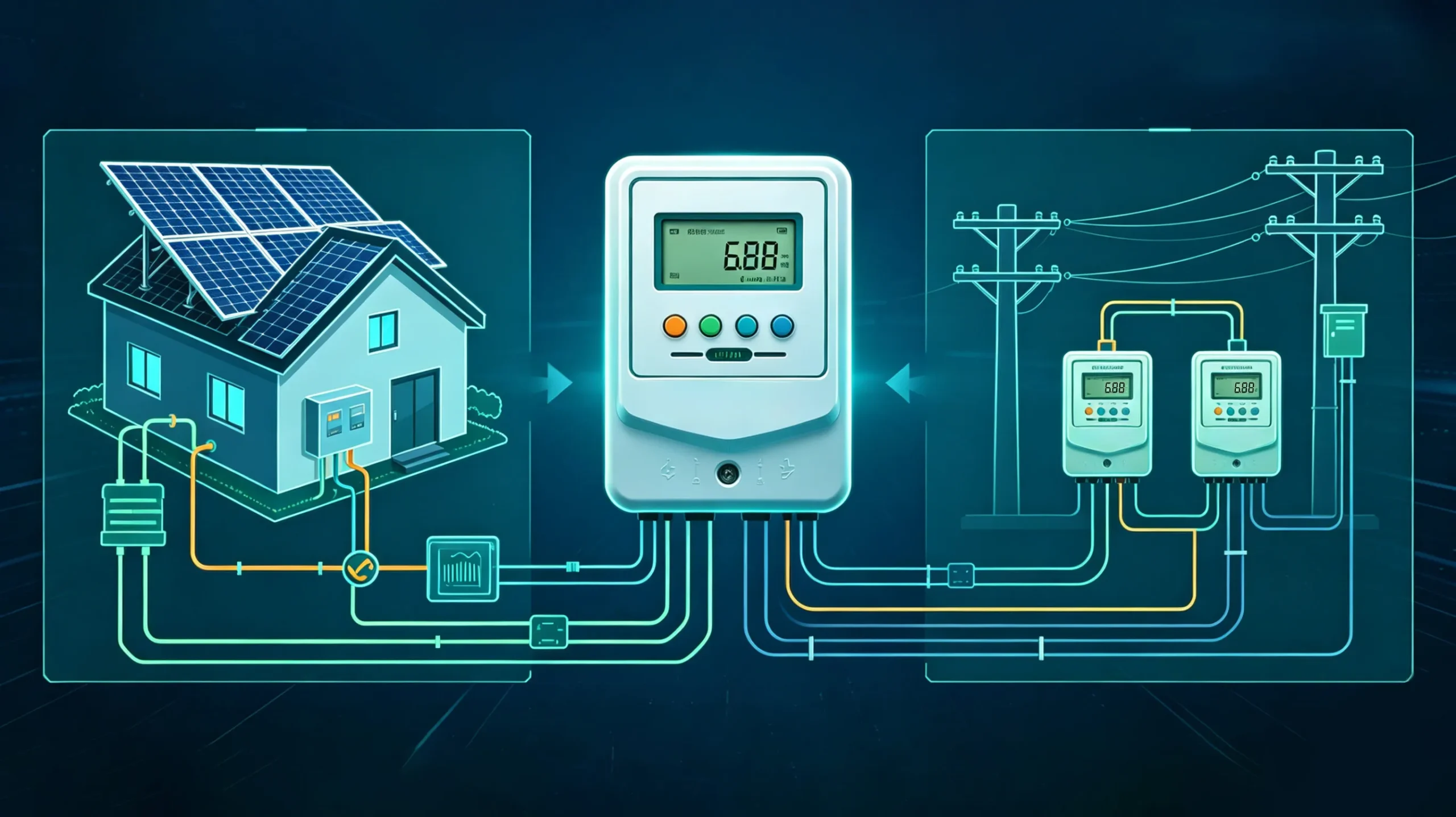
- Revenue via Net Metering: Many regions utilize “Net Metering,” where surplus power generated by your home is exported back to the grid. When the home is unoccupied or energy demand is low, the utility provider compensates the homeowner through credits or bill offsets, transforming the system into a revenue-generating asset.
2. Property Appreciation: Enhancing Real Estate Value
Beyond its function as a power source, a solar system represents an property improvement that increases market appeal and asset value.
- Higher Sale Prices: Research, including studies from the Lawrence Berkeley National Laboratory, indicates that homes equipped with solar systems command a price premium of approximately 4% in the secondary market. For a $500,000 home, this equates to roughly $20,000 in added value.
- Increased Liquidity: Properties marketed as having “low-to-zero” electricity bills are highly attractive to modern buyers, typically selling faster than traditional counterparts and providing homeowners with a distinct competitive advantage.
3. Energy Independence and Disaster Resilience
With the increasing frequency of extreme weather events, households are prioritizing “energy security.” Solar systems, especially when paired with storage, provide a reliable, independent power buffer.
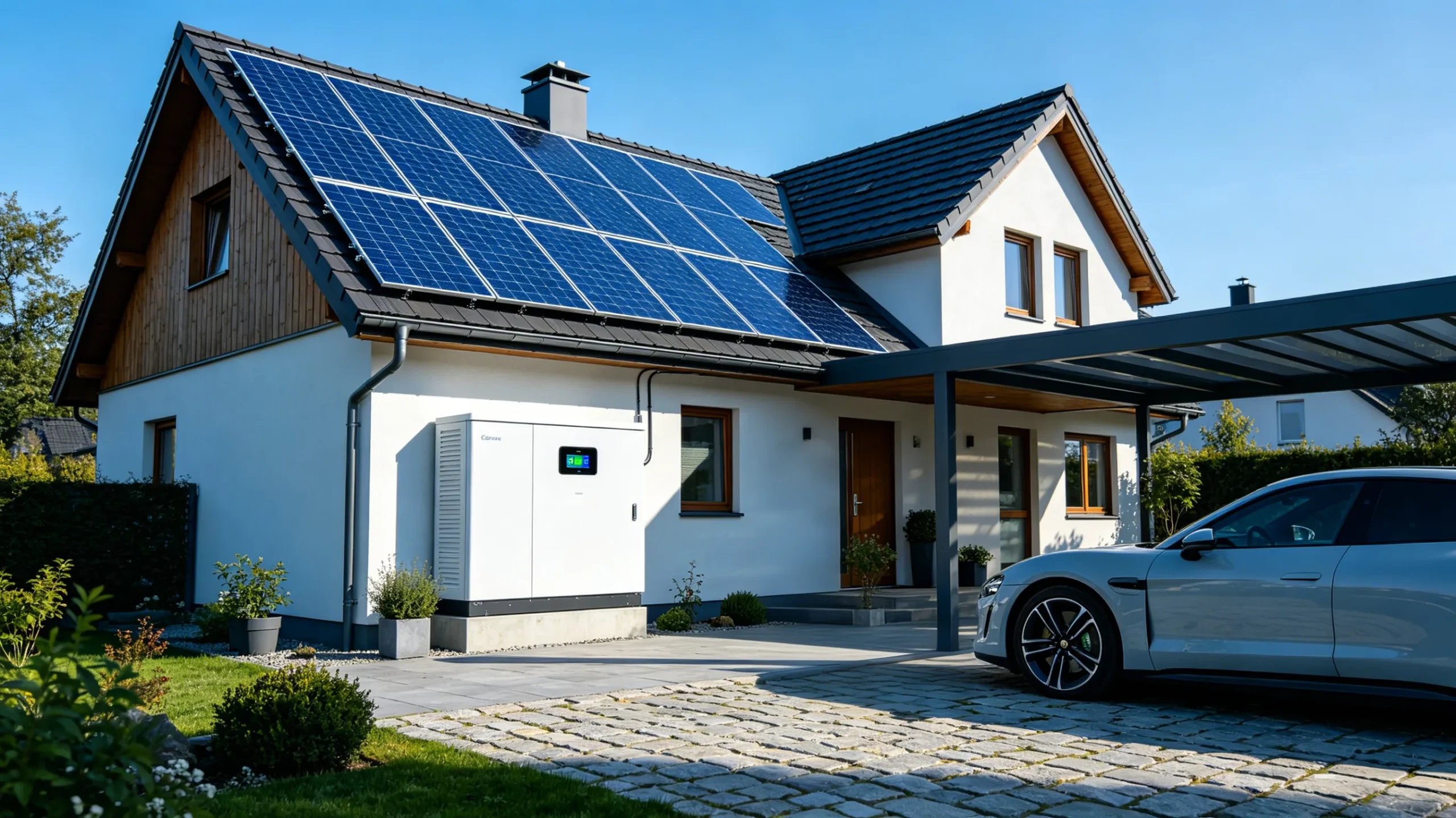
- Microgrid Stability: When integrated with smart storage solutions like the Tesla Powerwall, rooftop solar allows a home to function as a microgrid during grid outages. This ensures that essentials such as lighting, Wi-Fi, refrigeration, and medical devices remain functional, providing genuine energy autonomy.
- Hedge Against Price Volatility: Public utility electricity prices are subject to inflation and energy market shocks. Self-generated solar power offers a predictable, stable cost structure, shielding households from the volatility of external electricity markets.
4. The Ecological Loop: Synergistic Electric Vehicle (EV) Integration
Solar value is further amplified when linked to the rising adoption of electric vehicles.
- Zero-Cost Commuting: By connecting solar systems to home EV chargers, households can charge their vehicles using rooftop-generated electricity, effectively eliminating fuel or public charging station expenses.
- Green Lifestyle Model: The combination of PV systems, storage, and EVs creates a closed-loop green energy ecosystem, providing a practical blueprint for sustainable living.
Core Summary
To understand the financial logic, consider this: purchasing electricity from the grid is like “renting”—the money is spent without acquiring an asset, and costs may rise without notice. Conversely, installing solar is akin to “buying a home with a mortgage.” The initial years are dedicated to building your own energy asset; once the cost is recovered, that asset yields free electricity indefinitely.
Through financial gains, property appreciation, enhanced comfort, and energy security, solar power offers a “three-in-one” solution for modern households, making it an ideal long-term investment for sustainable living.