Introduction: The Strategic Imperative of the Solar Era
The global energy landscape is undergoing a profound structural paradigm shift. Driven by the dual pressures of escalating climate instability and the long-term depletion of finite fossil fuel reserves, the transition toward sustainable energy sources has evolved from an environmental ideal into an urgent geopolitical and macroeconomic necessity. At the vanguard of this transition is solar energy—a technology that leverages photovoltaic (PV) or concentrated solar power (CSP) systems to convert solar irradiance into dispatchable electricity and thermal energy.
Solar energy represents a cornerstone of modern decarbonization strategies, offering a tangible pathway toward deep emissions reductions and enhanced sovereign energy autonomy. However, an objective technoeconomic appraisal reveals that solar energy is not a flawless panacea. Its inherent physical traits—such as meteorological intermittency, relatively low spatial energy density, and substantial upfront capital requirements—present severe integration hurdles for contemporary electrical grids. This document provides a comprehensive, multi-dimensional analysis of solar energy’s core advantages and structural disadvantages, culminating in a rigorous strategic synthesis intended to guide modern energy stakeholders.
The Dimensions of Advantage: Core Strengths Driving Solar
Expansion
The rapid global adoption of solar energy is propelled by a unique combination of environmental, economic, and operational benefits that make it superior to traditional fossil fuel regimes.
- Absolute Renewability and Cosmic Longevity: Unlike hydrocarbon-based resources, solar energy is fundamentally inexhaustible. The Sun functions as a massive, natural fusion reactor with an estimated remaining lifespan of approximately 5 billion years. The total solar energy intercepted by Earth vastly exceeds annual global energy consumption, establishing it as the ultimate foundation for long-term energy security.
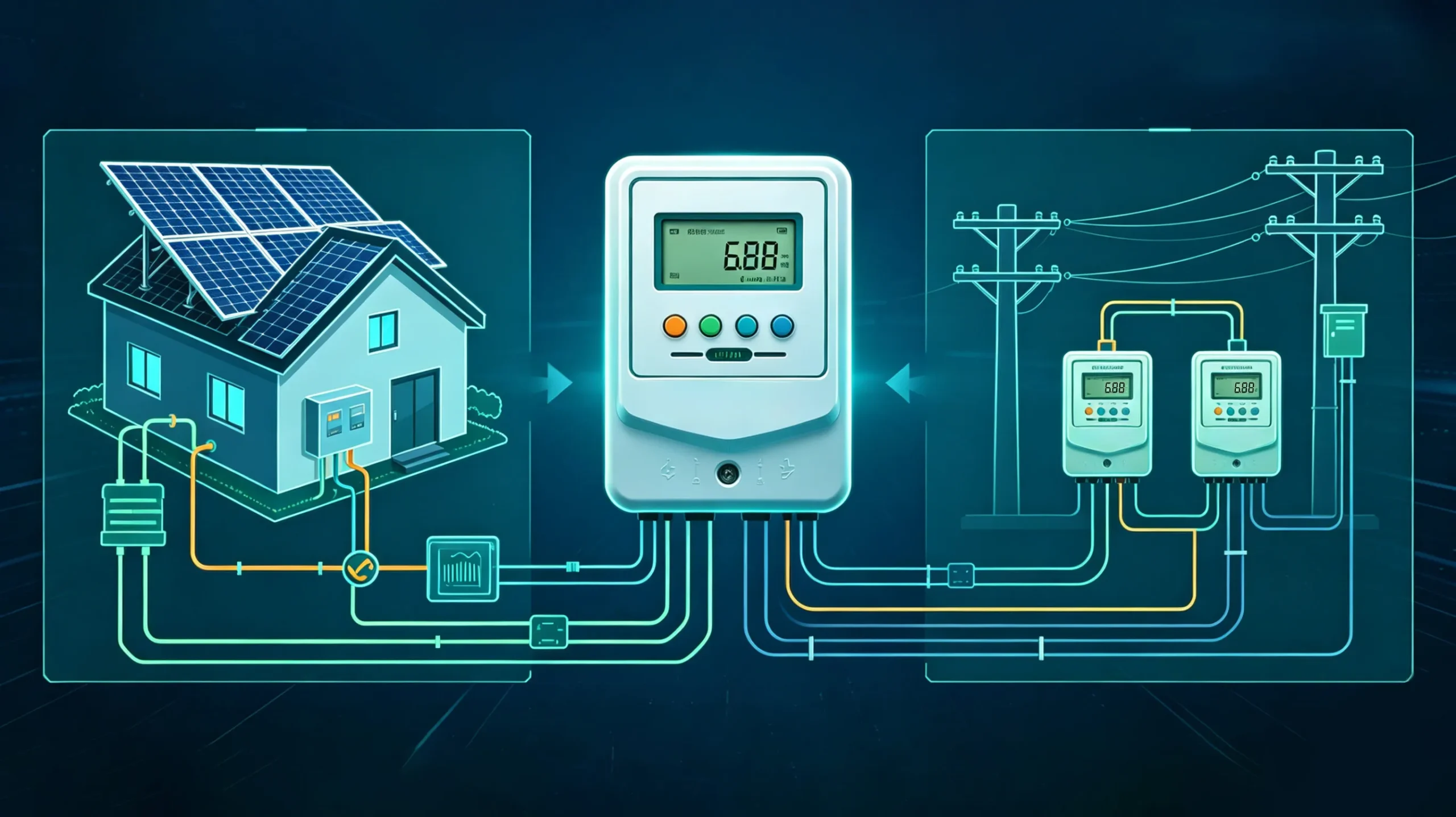
- Microeconomic Advantages (Bill Elimination and Inflation Hedging): For residential, commercial, and industrial end-users, the installation of a localized PV system offers immediate financial insulation. By generating electricity at the point of consumption, entities can significantly reduce or entirely eliminate their operational expenditure on grid-supplied power. Furthermore, in jurisdictions utilizing net energy metering (NEM) frameworks, surplus generation can be exported back to the utility, converting an operational asset into a direct revenue stream while hedging against utility tariff inflation.
- Minimal Operational and Maintenance Expenditure (OpEx): Solid-state photovoltaic systems possess no moving parts, drastically minimizing mechanical wear and tear. Routine maintenance is largely limited to periodic surface cleaning to prevent soil-induced shading losses. With PV module lifespans routinely exceeding 25 to 30 years and modern inverters requiring replacement only once every 10 to 15 years, the long-term OpEx remains an order of magnitude lower than that of thermal or gas-fired power plants.
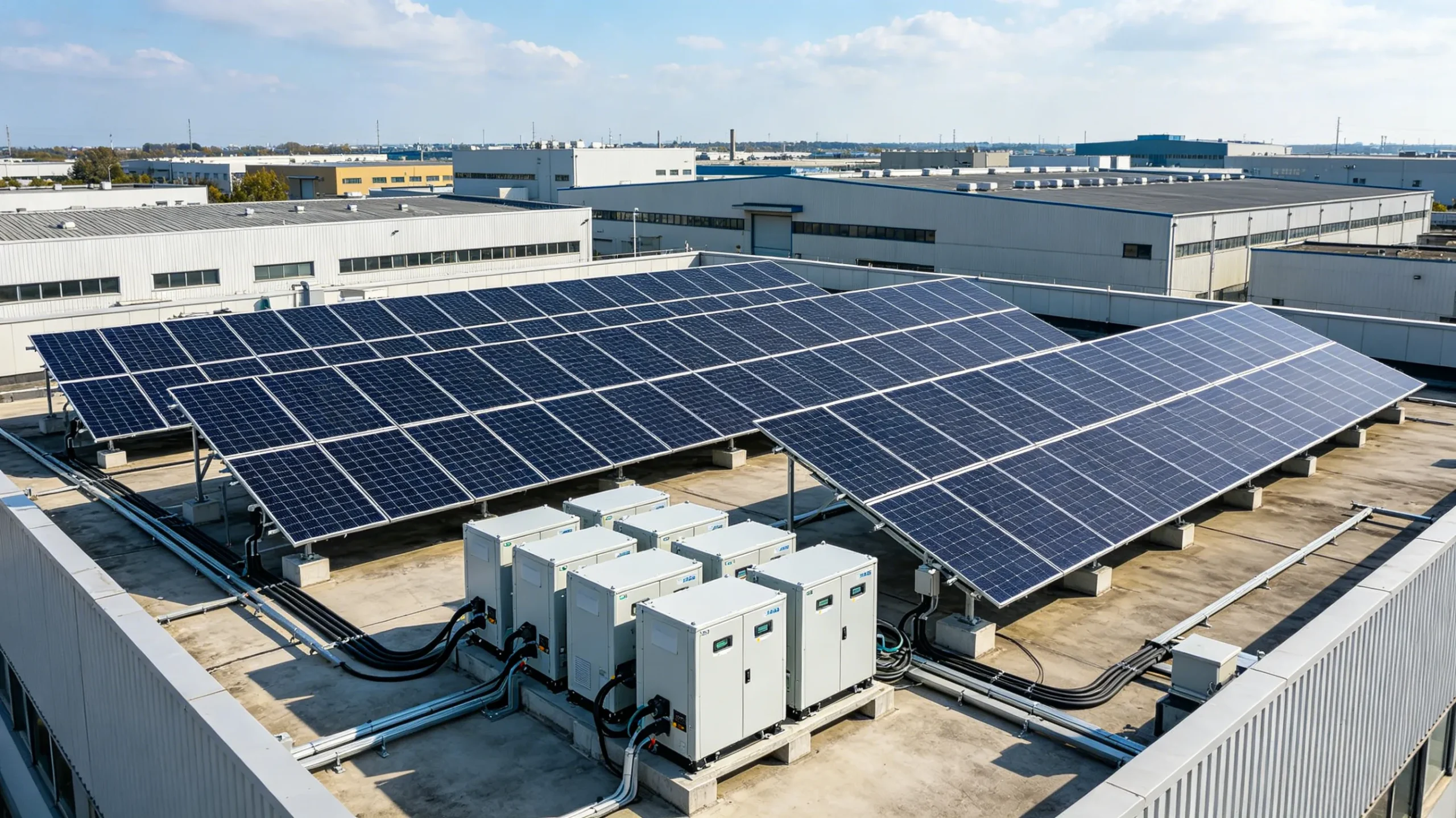
- Unrivaled Architectural and Spatial Flexibility: Solar infrastructure exhibits exceptional modularity, enabling deployment across a diverse spectrum of scales and environments. This ranges from multi- gigawatt utility-scale ground-mounted arrays to distributed rooftop installations, floating solar (FPV) arrays on reservoirs, and Building-Integrated Photovoltaics (BIPV) where solar materials replace conventional building facades and windows. This versatility allows solar to penetrate urban, rural, and extreme environments alike.
- Zero-Emission Operational Profile: From an ecological perspective, the operational phase of a solar energy asset is entirely benign. Photovoltaic power generation produces zero greenhouse gases (CO2, CH4), sulfur dioxide (SO2), nitrogen oxides (NOx), or particulate matter. By displacing carbon-intensive fossil fuel generation, solar deployment plays a mathematically quantifiable role in bending the global emissions curve toward net-zero targets.
- Macroeconomic Cost Trajectory (The Collapse of LCOE): Over the past decade, the Levelized Cost of Energy (LCOE) for solar photovoltaics has experienced an unprecedented decline, falling by over 80%. This deflationary trajectory has been accelerated by rapid industrial scale and significant technological breakthroughs, notably the commercial transition from legacy PERC cells to next-generation n-type architectures, such as Tunnel Oxide Passivated Contact (TOPCon) and Heterojunction Technology (HJT). Unsubsidized solar now represents the cheapest source of new-build electricity generation in the majority of global markets.
- Peak-Load Alignment and Grid Stress Mitigation: In many regions, peak electrical demand occurs during hot summer afternoons, driven heavily by commercial and residential cooling loads. This peak closely aligns with the diurnal curve of maximum solar irradiance. By generating peak capacity precisely when the grid experiences maximum stress, distributed solar reduces reliance on expensive, high-emission “peaker” plants and lowers distribution grid upgrade costs.
- Acoustic Cleanliness: Unlike wind turbines, which generate aerodynamic and mechanical noise, or fossil-fueled thermal plants with loud turbines and cooling towers, photovoltaic generation is completely silent. This acoustic neutrality makes solar uniquely suited for dense urban environments, residential zones, hospital campus microgrids, and educational institutions.
- Geopolitical Energy Sovereignty and Security: Energy security is fundamentally tied to geopolitical stability, as demonstrated by global supply shocks in fossil fuel markets. Solar energy democratizes access to power generation. Because sunlight is a distributed global resource, nations that aggressively expand domestic solar capacity can significantly reduce their reliance on imported fossil fuels, effectively insulating their economies from foreign supply disruptions and international commodity price volatility.
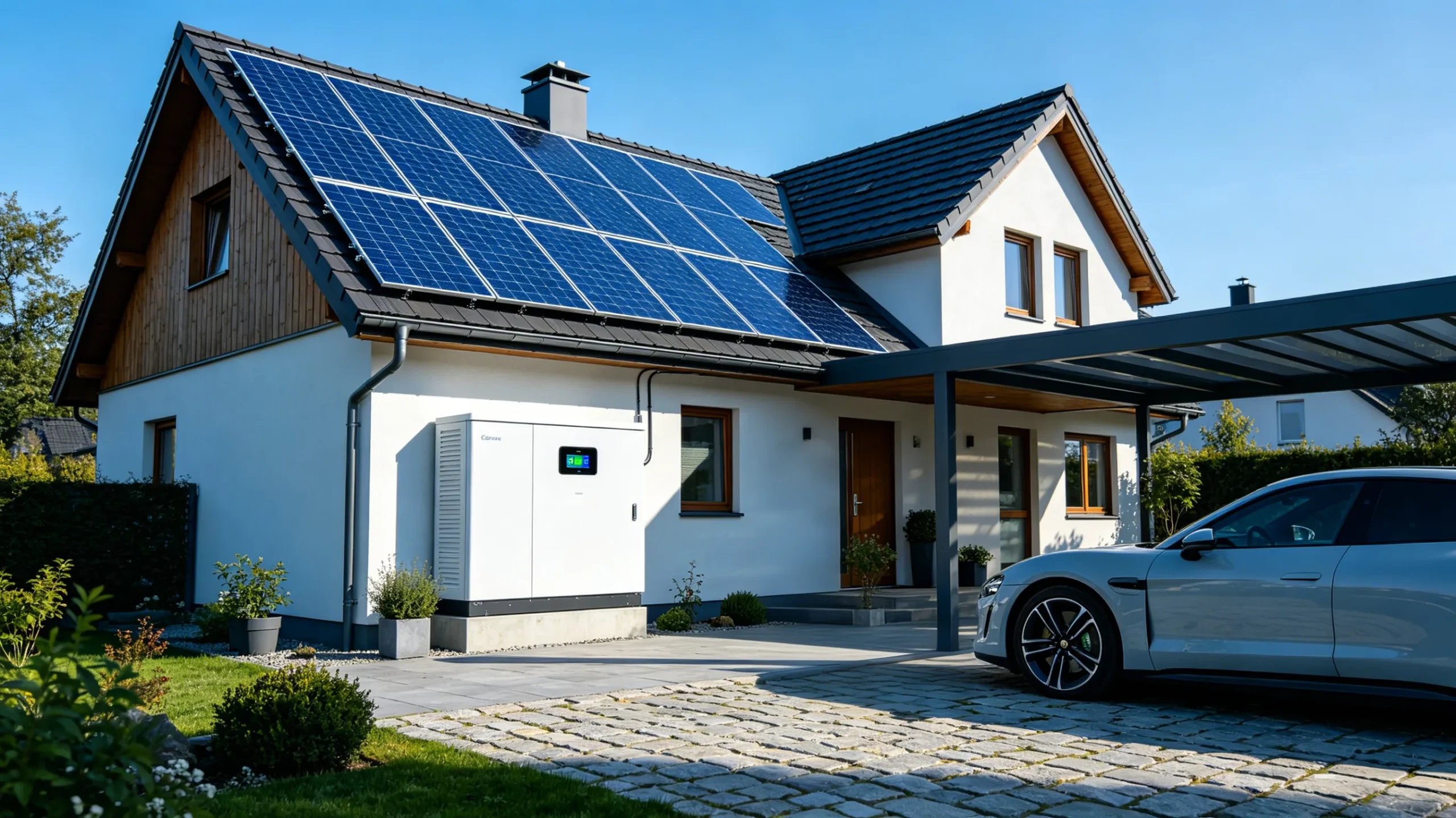
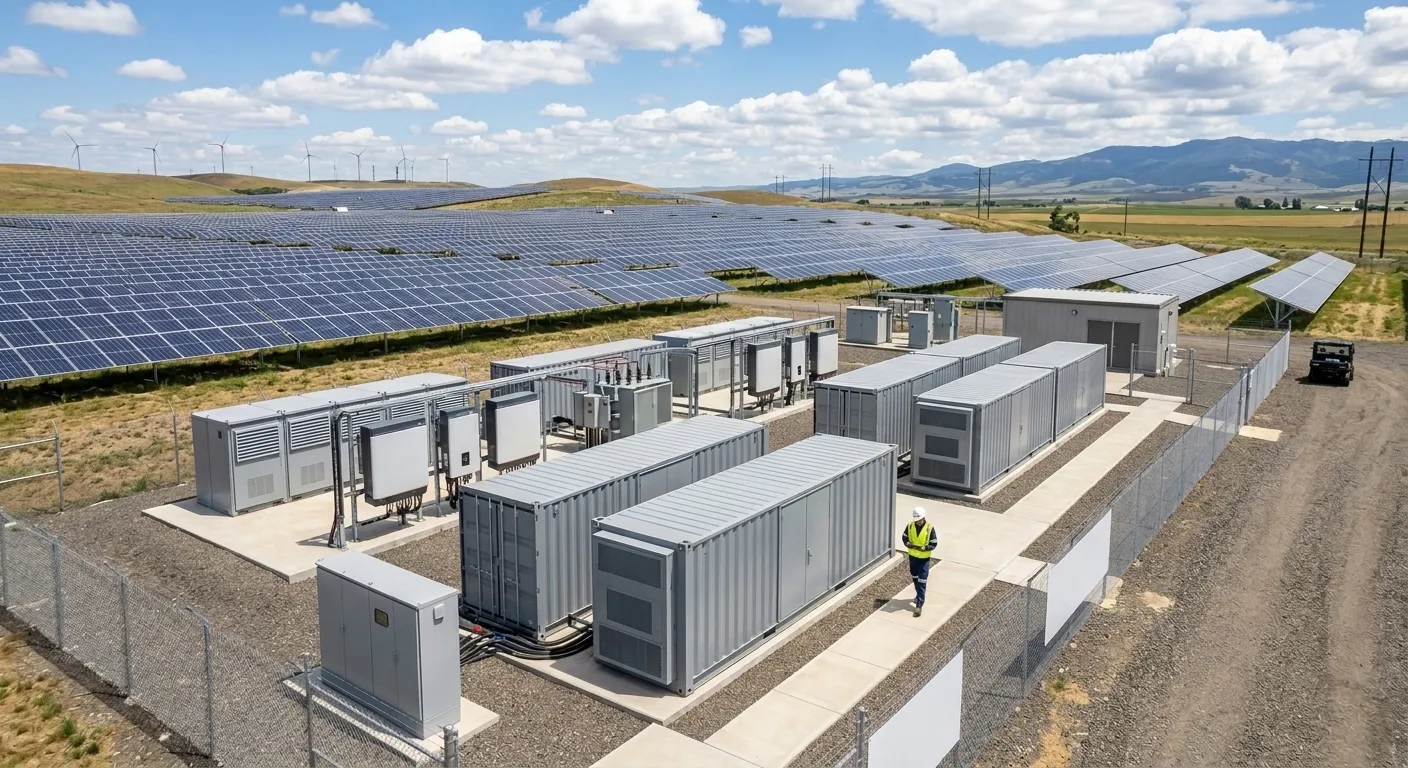
- Synergistic Convergence with Next-Generation Storage: The value proposition of solar energy expands exponentially when paired with Battery Energy Storage Systems (BESS). The pairing of solar with lithium-ion, sodium-ion, or long-duration energy storage (LDES) systems transforms a highly intermittent resource into a dispatchable, firm asset, enabling load-shifting from cheap daytime hours to lucrative evening peaks.
- Technical Maturity and Incremental Efficiency Gains: Solar technology has transcended its nascent development phase to become a highly mature, industrially standardized asset class. Current commercial cell efficiencies for TOPCon and HJT systems consistently range between 22% and 25%, with laboratory research into perovskite-silicon tandem cells pointing toward future breakthroughs exceeding 30%, minimizing technology obsolescence risks.
- Socio-Economic Catalysis (Job Creation and Industrial Growth): The solar energy value chain is a powerful engine for global employment. It spans labor-intensive upstream raw material extraction (polysilicon), advanced midstream manufacturing (ingots, wafers, cells, and modules), and localized downstream engineering, procurement, construction (EPC), and operations, creating millions of forward-looking jobs worldwide.
- Systemic Integration into Holistic Modern Energy Ecosystems: Solar energy functions as a primary feeder for the broader clean energy transition. It can be paired with wind and hydroelectric assets to create diversified renewable portfolios, integrated into smart grids via AI-driven virtual power plants (VPPs), and utilized as the primary, low-cost electricity source for the production of green hydrogen through water electrolysis.
The Dimensions of Disadvantage: Structural Challenges and Constraints
Despite its formidable strengths, solar energy faces significant physical, economic, and systemic barriers that must be mitigated to prevent grid instability and financial waste.
- Substantial Initial Capital Expenditure (CapEx) and Extended Payback: Although operational costs are near-zero, the upfront capital required to procure modules, inverters, structural racking, and professional EPC services remains substantial. For residential homeowners and small-to-medium enterprises (SMEs), this high initial CapEx represents a significant financial barrier. Depending on regional solar irradiance, local electricity tariffs, and available regulatory incentives, the typical investment payback period ranges from 5 to 10 years.
- Chronic Intermittency and Meteorological Vulnerability: The most profound structural defect of solar power is its complete dependence on a highly variable meteorological resource. Solar generation drops to absolute zero during nocturnal hours, and is severely degraded by cloud cover, atmospheric particulate matter, heavy precipitation, and seasonal variations (e.g., shorter winter daylight hours). Because modern civilization demands 24/7 baseload reliability, solar cannot operate as a standalone power source without substantial backup generation.
- Financial and Technical Barriers of Energy Storage Systems (ESS): While coupling solar with BESS or LDES resolves intermittency, it introduces heavy economic penalties. The capital cost of industrial-scale battery systems remains elevated, and their inclusion drastically alters the levelized cost of storage (LCOS). Furthermore, managing a co-located solar-plus-storage asset introduces significant technical complexity, requiring sophisticated Energy Management Systems (EMS) to handle state-of-charge tracking, degradation mitigation, and safe thermal management.
- Low Volumetric Energy Density and Extensive Land Footprints: Solar radiation is a diffuse energy source, possessing a low spatial energy density relative to fossil fuels or nuclear power. Consequently, harvesting solar energy at an industrial scale requires a massive geographical footprint. Multi-megawatt ground-mounted installations require hundreds or thousands of acres. This intensive land use can trigger bitter socio-ecological conflicts, pitting renewable energy development against agricultural land preservation and biodiversity conservation.
- Systemic Grid De-stabilization (The ‘Duck Curve’ Phenomenon): High penetrations of solar energy inject severe volatility into electrical grids, a phenomenon famously illustrated by the California ISO’s “Duck Curve.” During midday, massive solar generation causes the net load to plummet, occasionally forcing grid operators to curtail solar production to prevent over-generation and frequency destabilization. Conversely, as the sun sets, solar generation drops abruptly just as residential electricity demand spikes, forcing utilities to rapidly ramp up carbon-intensive gas turbines, putting immense stress on grid infrastructure.
- Upstream Lifecycle Environmental Impacts and Carbon Footprints: While solar power is entirely clean during operation, its upstream manufacturing lifecycle carries a notable environmental and carbon footprint. The processing of quartz into metallurgical-grade silicon and the subsequent refining into high-purity polysilicon are highly energy-intensive processes, often powered by coal-dominant grids in manufacturing hubs. Furthermore, the fabrication process involves hazardous chemicals, such as hydrofluoric acid and silicon tetrachloride, which present severe localized environmental and occupational health risks if improperly managed.
- Photovoltaic Conversion Efficiency Bottlenecks: Despite decades of research, the thermodynamic limits of single-junction silicon solar cells—governed by the Shockley-Queisser limit—cap theoretical efficiency at approximately 33%. Commercial modules operate well below this, typically between 20% and 25%. This means that 75% to 80% of the solar energy striking a photovoltaic panel is lost as waste heat or reflected light, necessitating larger surface areas and higher material consumption.
- End-of-Life Decommissioning and Circular Economy Pressures: The global solar expansion is creating a massive, impending waste management crisis. With millions of panels installed globally, an enormous volume of infrastructure will reach its end-of-life (EOL) over the next two decades. Photovoltaic modules contain heavy metals and hazardous elements, including lead, cadmium, and antimony, alongside valuable materials like silver, copper, and high-purity silicon. Currently, robust, economically viable recycling infrastructure is severely lacking in most jurisdictions, raising the risk that millions of tons of EOL panels will end up in landfills.
- Linear Performance Degradation Over Time: Photovoltaic modules are subject to continuous, irreversible environmental degradation. Factors such as Light-Induced Degradation (LID), Potential Induced Degradation (PID), thermal cycling, and UV exposure cause panel power output to decay at a predictable rate, typically between 0.5% and 1.0% per annum. By year 25, a standard solar array operates at approximately 80% of its initial rated capacity, which must be carefully accounted for in financial models.
- Geographic, Latitudinal, and Climatic Asymmetries: The economic viability of solar energy is profoundly dictated by geography. High-latitude regions experience extreme seasonal variances, with minimal solar insolation during the winter months when heating demand peaks. Conversely, equatorial regions or arid desert expanses possess ideal solar resources but often suffer from high ambient temperatures, which degrade PV panel efficiency due to negative temperature coefficients, or heavy dust accumulation, which requires expensive, water-intensive cleaning operations.
- Geopolitical Monopolization and Supply Chain Concentrations: The upstream manufacturing of solar photovoltaics exhibits an extreme geographical concentration. A single country—China—controls over 80% of the global capacity across all critical manufacturing stages, from polysilicon and wafers to cells and finished modules. This extreme consolidation introduces profound supply chain risks. Trade policies, geopolitical friction, tariffs, and localized logistical disruptions can trigger massive global price spikes and supply shortages.
- High Institutional and Professional Standards for Deployment: Developing a reliable, long-lasting solar asset requires high levels of technical expertise. Poor system design, inadequate structural engineering for wind or snow loads, incorrect inverter sizing, or substandard electrical wiring can result in catastrophic system failures, including electrical fires. Furthermore, diagnosing complex faults in large-scale arrays requires specialized thermographic drone inspections and advanced diagnostic telemetry, demanding a highly trained, specialized workforce that is currently in short supply in many developing markets.
Strategic Synthesis and Author’s Evaluation
An objective evaluation of solar energy reveals a fundamental tension between its peerless strategic advantages and its severe operational constraints. From a macro perspective, solar energy represents a magnificent achievement in human engineering. Its ability to extract clean, infinite power from the Sun at an ever-declining cost makes it an absolute imperative for global decarbonization and national energy sovereignty. The economic collapse of solar LCOE has permanently dismantled the myth that clean energy is fundamentally more expensive than fossil fuels.
Author’s Judgment: Solar energy cannot be viewed as a standalone panacea. The enthusiastic rhetoric surrounding solar often glosses over the harsh grid realities of the Duck Curve and chronic meteorological intermittency. A power grid that relies strictly on unmitigated solar photovoltaics is an inherently unstable system. Therefore, the true value of solar energy can only be unlocked when it is treated not as an isolated generator, but as a component within a highly integrated, intelligent energy ecosystem.
The future of solar energy is inextricably bound to the rapid scaling of energy storage technologies, the deployment of AI-driven smart grids, and the expansion of cross-border transmission infrastructure. For individual homeowners and corporations, solar remains an exceptionally sound investment, offering predictable long-term financial returns and substantive insulation from fossil fuel volatility. For nations, it is a vital pillar of national security and environmental stewardship. Ultimately, despite its very real engineering and supply chain challenges, solar energy stands out as the most scalable, economically competitive, and strategically vital clean energy asset available to humanity. Its disadvantages are not insurmountable barriers; rather, they are technical blueprints for the next generation of industrial innovation.