By the second quarter of 2026, the energy conversation has officially moved beyond the supremacy of any single battery chemistry. We have entered the era of system-wide synergy, where lithium ion battery LMO LMP NCA blends and LFP units no longer compete but work in harmony. This shift reflects a total maturation of technology, where each chemistry serves a specific purpose within a singular, global energy architecture.
The Great Convergence: Beyond the Battery Wars
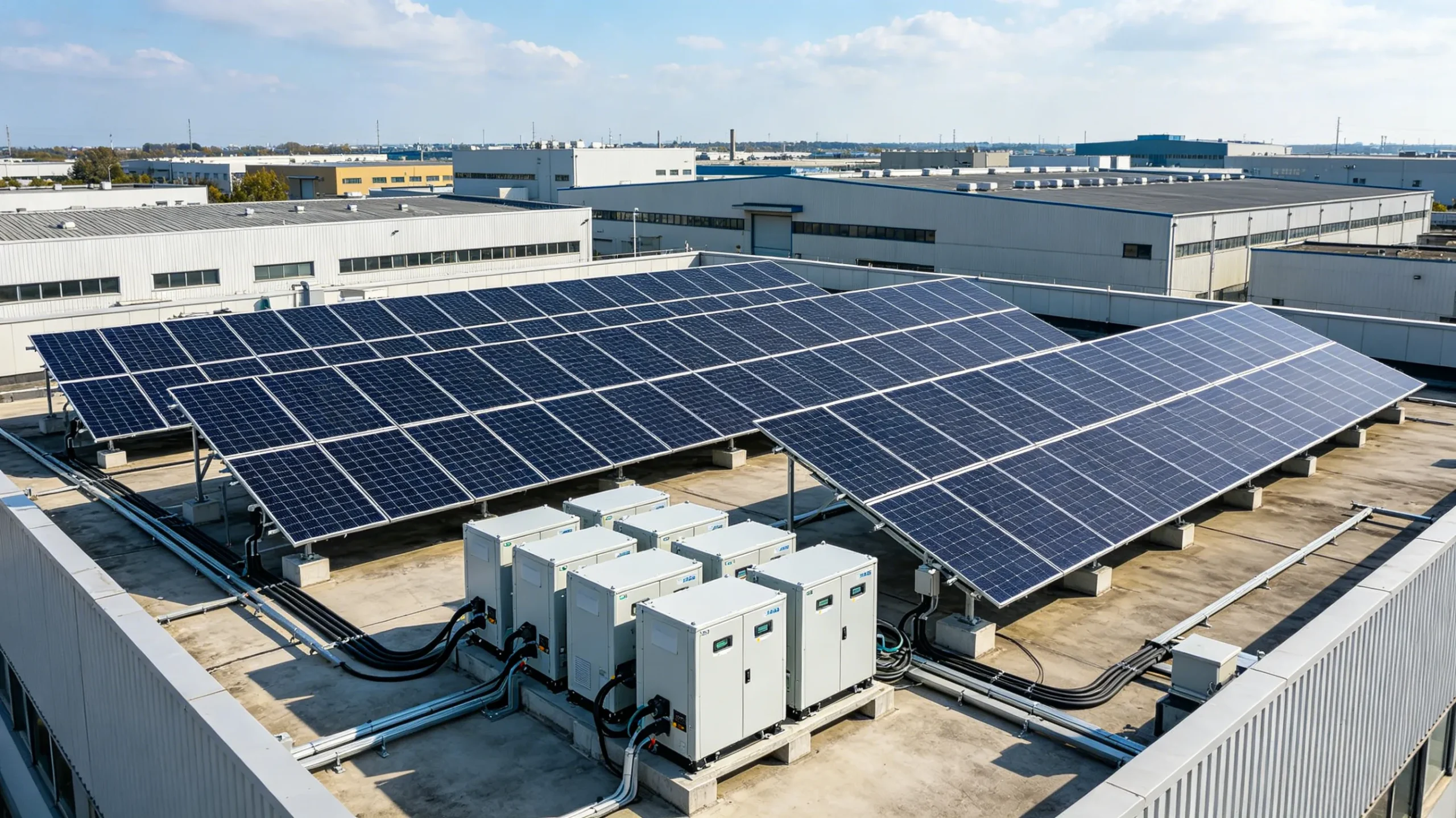
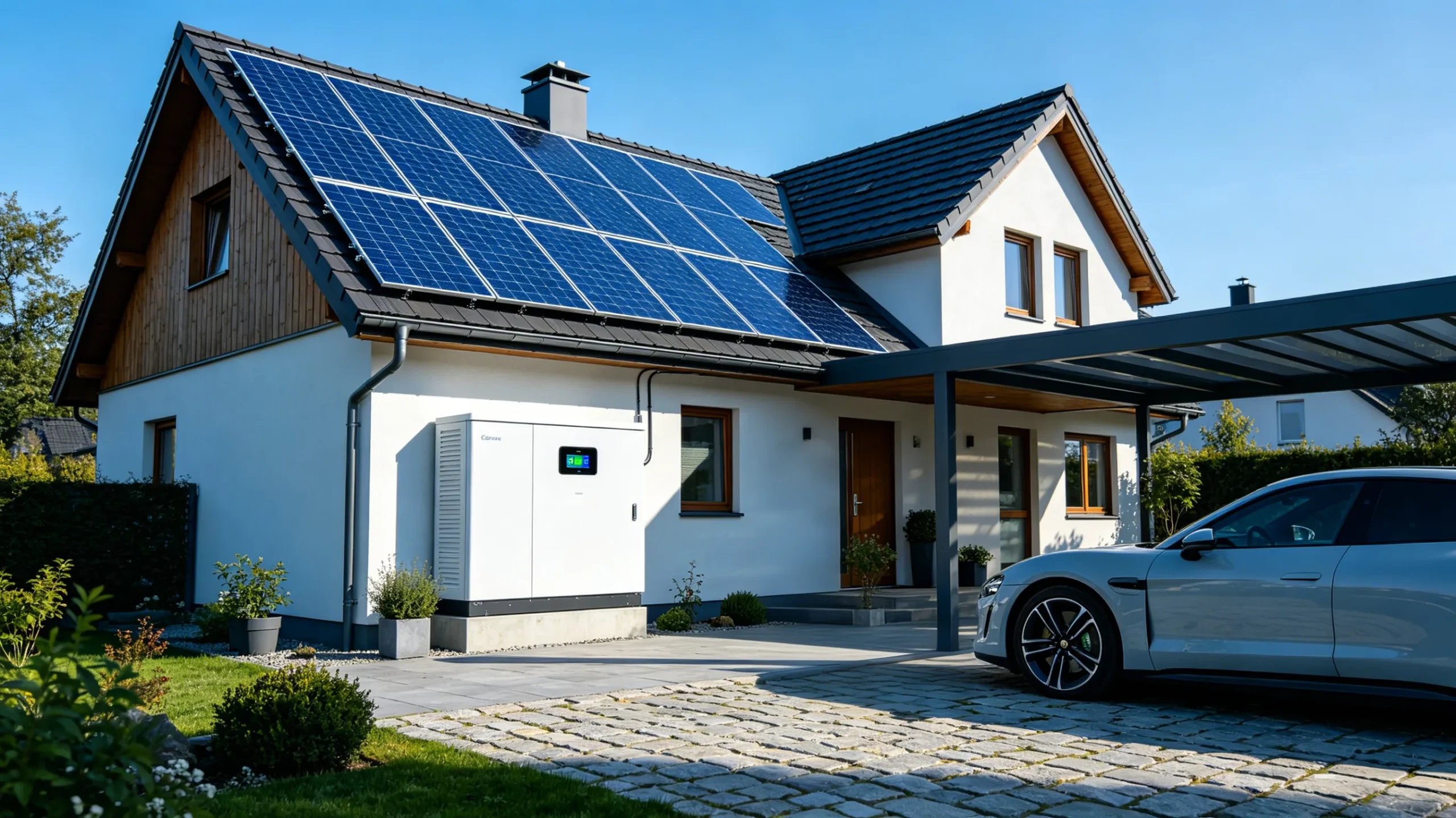
The “Chemistry Wars” of the early 2020s have given way to an orchestrated ecosystem. NCM 811, with its high energy density, remains the core of the luxury performance market, while LFP anchors mass-market home storage and grid stability. Simultaneously, LMO has found its definitive niche in industrial high-power tools and heavy machinery. By April 2026, these are no longer isolated products; they are complementary nodes in a multi-chemistry network that maximizes the efficiency of production, storage, and consumption.
The Intelligence Layer: The AI-Driven Grid
The true game-changer in 2026 is the digital “Brain” of the grid. Artificial intelligence now integrates millions of 18650 legacy batteries, advanced CATL prismatic cells, and decentralized EV fleets into a cohesive, self-healing network. Through Deep Reinforcement Learning (DRL), this intelligence layer anticipates demand shifts and balances generation in real-time. This AI-driven orchestration has created a transparent, self-managing system that operates autonomously across continents, ensuring stability and efficiency without the need for constant human intervention.
Economic Sovereignty: The Prosumer Revolution
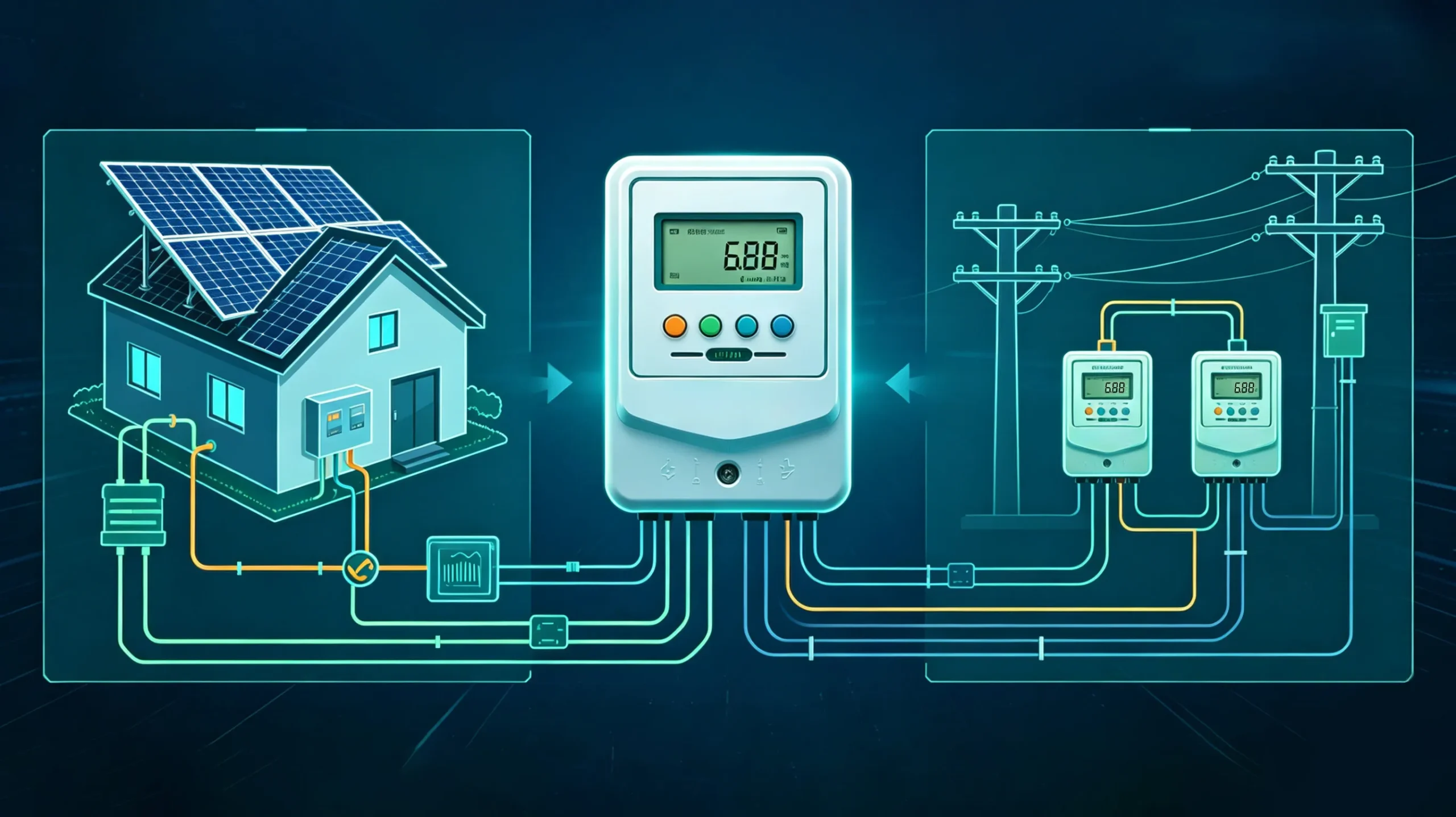
2026 marks the definitive rise of the “Prosumer”—individuals who are simultaneously producers and consumers of energy. Through blockchain-based peer-to-peer (P2P) trading, neighbors now sell excess solar energy directly to one another. This shift in economic sovereignty has decentralized the market, bypassing traditional utility bottlenecks and allowing local communities to create independent energy microgrids. As costs continue to decline, energy has become a democratized resource, empowering communities and accelerating global decarbonization.
The Hydrogen Bridge: Green Hydrogen for Industrial Decarbonization
Green hydrogen has emerged as the essential partner to battery storage. Rather than competing for short-duration storage, hydrogen serves as the long-duration backbone for heavy industries like steel and cement. By April 2026, the cost of green hydrogen has successfully decoupled from natural gas volatility. This “Hydrogen Bridge” allows for the decarbonization of hard-to-abate sectors and provides a stable industrial feedstock, cementing energy sovereignty for nations seeking independence from fossil fuel fluctuations.
Radical Transparency: The Ethical Standard
A defining feature of the 2026 landscape is the mandatory adoption of full-cycle material traceability. Radical transparency is no longer a voluntary choice; it is the ethical standard for global trade. Every unit of lithium, nickel, and manganese is accounted for from mine to meter.
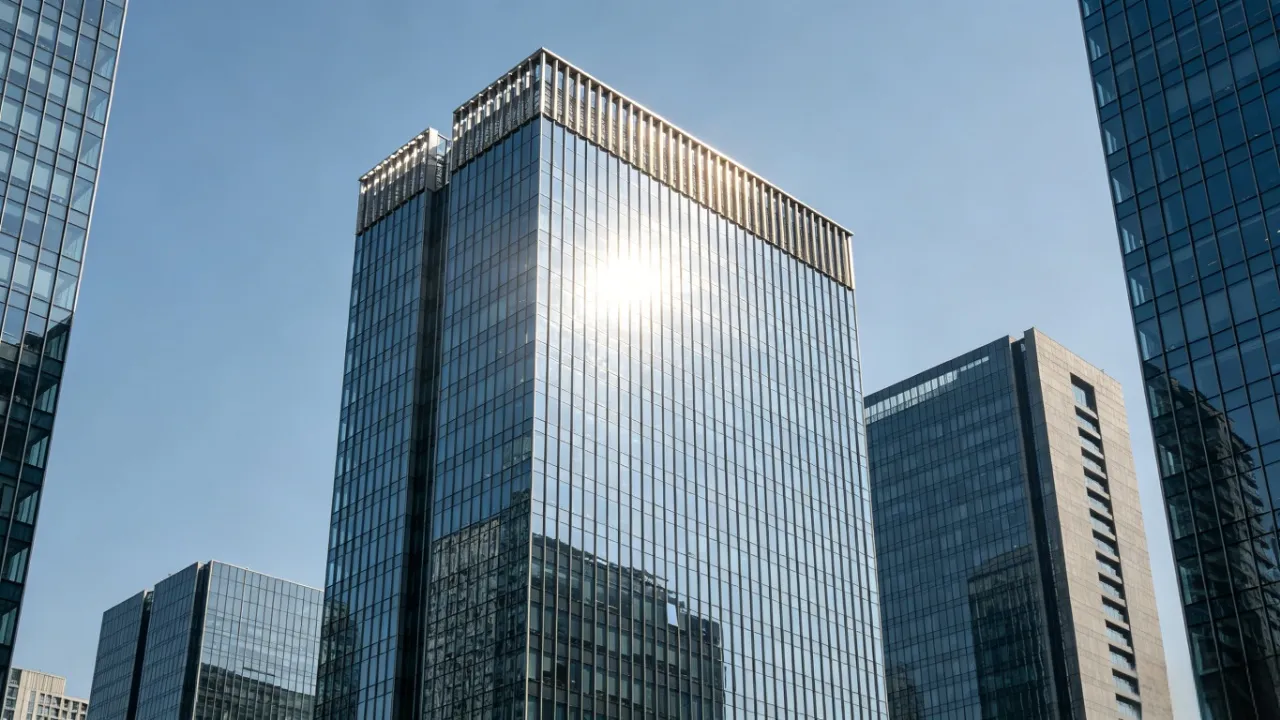
This transparency has also transformed the aesthetic of energy. Batteries are no longer hidden in the “black box” of a vehicle or building. Instead, they are designed as beautiful, transparent functional elements of the landscape. Whether integrated into a chassis or a building’s architecture, the rechargeable li ion battery pack is now a visible testament to ethical engineering and functional design.
The Post-Scarcity Vision: Energy as Air
The ultimate realization of 2026 is the transition of energy from a scarce resource to a ubiquitous service. With 80% of renewable generation now driven by cost-competitiveness rather than subsidies, the concept of “expensive energy” is becoming a relic of the past. In this post-scarcity vision, energy is a basic right, available to everyone at a negligible cost. Powered by AI-driven optimization and multi-material synergy, energy is becoming a frictionless utility that powers human progress.
The Next Bottleneck: The 2030 Challenge
As we look toward 2030, the primary hurdle is no longer the generation or storage of energy. The next major bottleneck is the permitting and construction of the high-voltage transmission infrastructure required to move this abundance across borders and continents. While we have mastered the storage of power, the next decade will be defined by how we transport this newfound energy ubiquity to every corner of the globe.
Conclusion: The Synchronized Civilization
The breakthrough of 2026 is the synchronized integration of all energy systems. From the autonomous grid to P2P trading, humanity has achieved a state of zero-friction energy flow. The true success of this revolution is measured by how “invisible” energy has become. When energy is as readily available as air, and resource scarcity is no longer a driver of conflict or poverty, the energy revolution is finally complete. We have built a ubiquitous, self-sustaining, and transparent resource that ensures a sustainable future for all of human progress.