By April 2026, the concept of battery “disposal” has been officially deleted from the industrial lexicon. Driven by the extreme lithium price volatility of early 2026 and aggressive new sustainability mandates, the global energy sector has embraced the Eternal Cell model. In this new paradigm, a battery is no longer a depreciating capital expense; it is a circular asset that is continually redeployed to lower the Levelized Cost of Storage (LCOS).
1. The Digital Battery Passport: The Currency of Trust for LFP and NMC
In 2026, transparency is the foundation of the secondary market.
- Full-Traceability Compliance: The mandatory Digital Battery Passport now tracks every LFP and NMC cell from its mineral origin to its current state of health. This ensures that every asset in the circular loop meets strict environmental and ethical standards.
- Predictive Value Mapping: By leveraging AI-driven BMS data, the passport provides a real-time “Resale Value” for every pack. Fleet operators can now treat their 4680 or Sodium-ion inventories as liquid assets, trading them on the secondary market based on precise health metrics rather than guesswork.
2. Second-Life Synergy: Transitioning Sodium-ion and LFP to the Hybrid Grid
The 2026 “Cascade Strategy” ensures that no cell is retired before its true end-of-life.
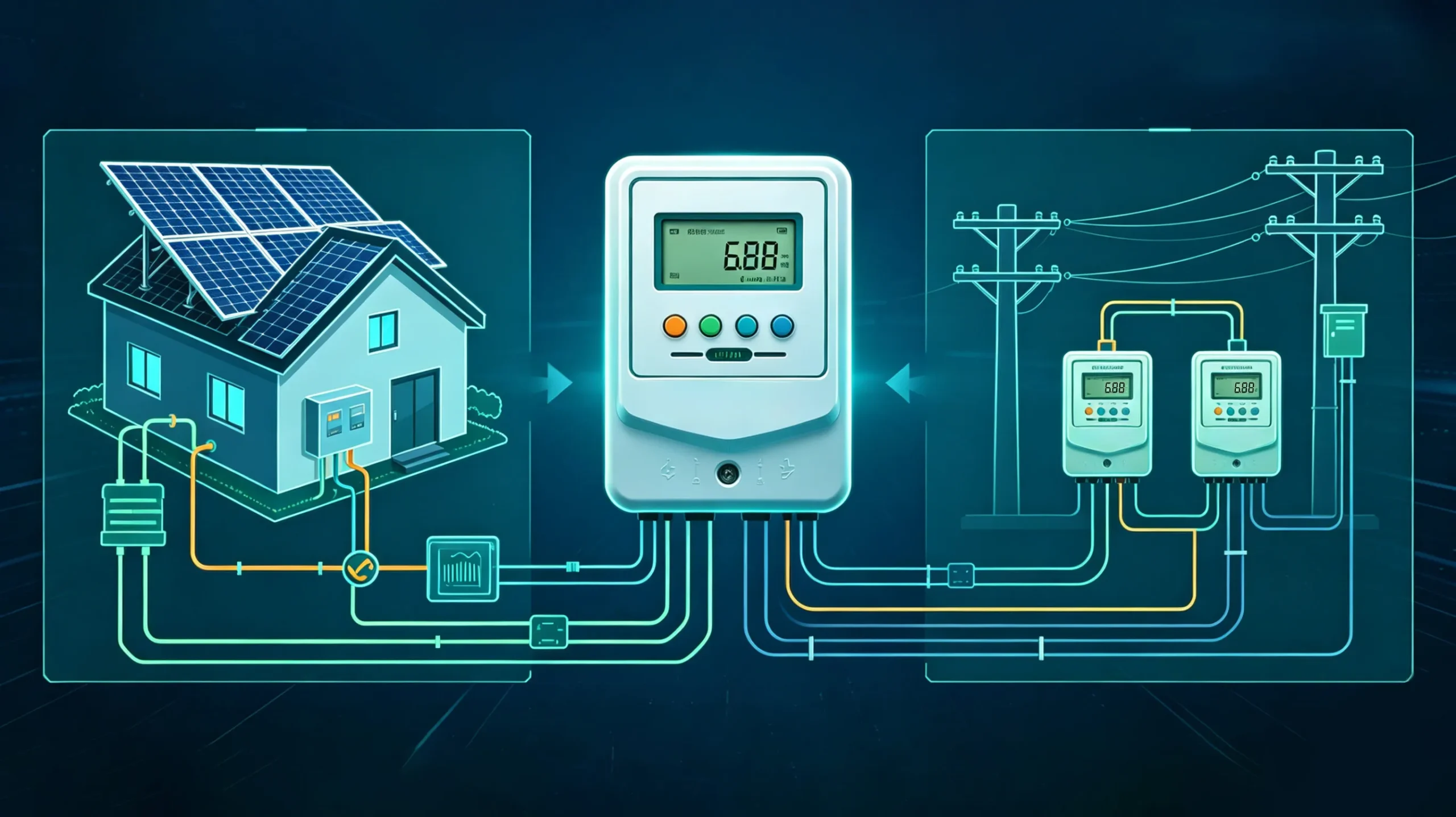
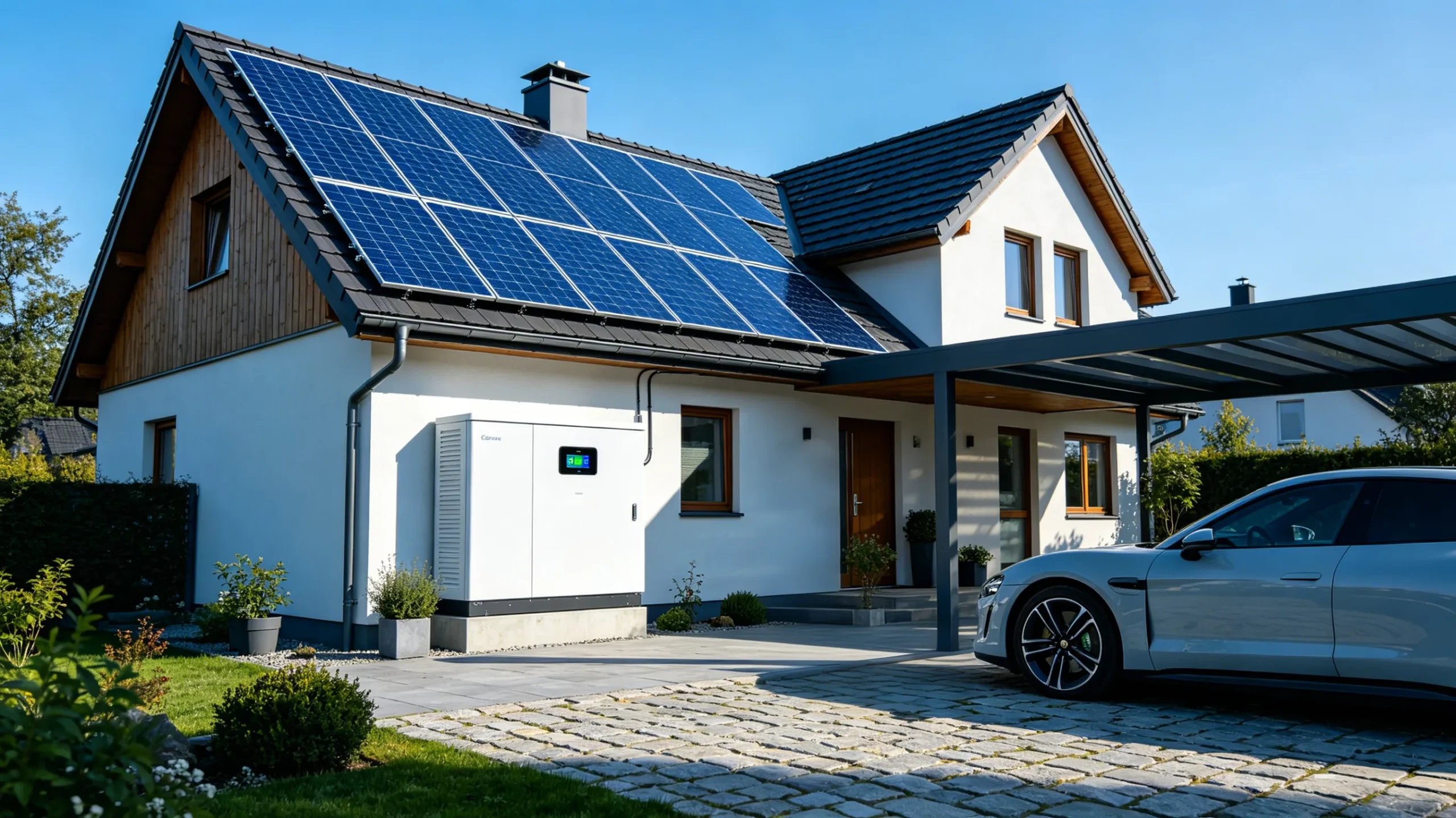
- The Cascade Strategy: When a Sodium-ion or LFP pack drops below 80% capacity—no longer ideal for the high-torque demands of mobility—it is automatically transitioned into Behind-the-Meter (BTM) storage.
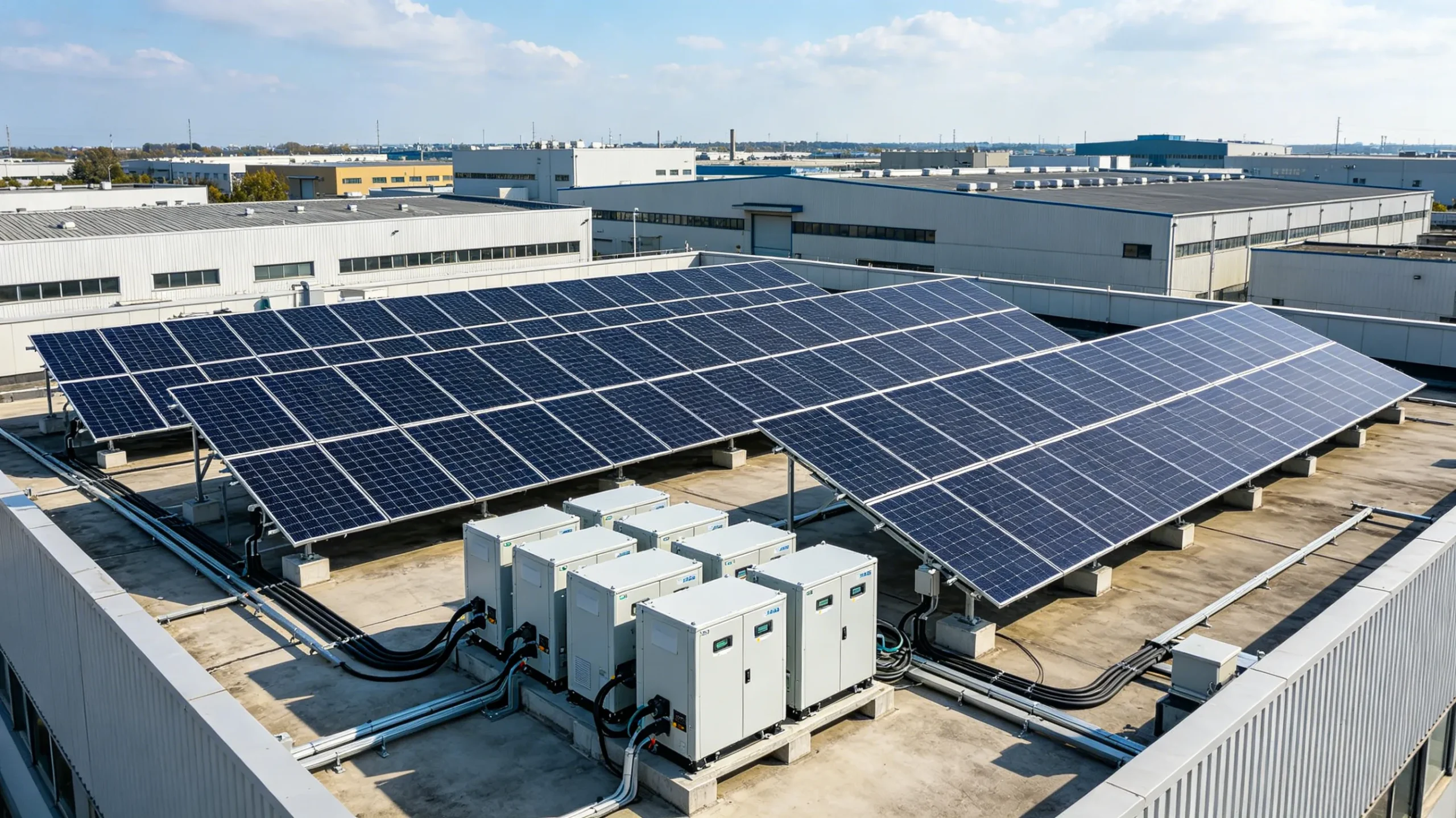
- Stabilizing the Hybrid Grid: These repurposed “mobility graduates” provide the ultra-low-cost capacity needed to stabilize the 2026 Hybrid Grid. By serving as shock absorbers for renewable energy surges, second-life batteries provide frequency regulation at a fraction of the cost of new installations.
3. Advanced Recycling: Recovering the Periodic Table
2026 marks the year that “Urban Mining” reached cost parity with traditional extraction.
- 95% Recovery Milestones: Advanced hydrometallurgical recycling facilities have achieved a 95% recovery rate for Lithium, Cobalt, and Nickel from mixed-chemistry streams.
- Geopolitical Shielding: By recovering these minerals domestically, manufacturers are now shielded from the geopolitical supply shocks and mining bottlenecks that defined the early 2020s. In 2026, the most reliable source of raw materials is the recycling plant located next to the Gigafactory.
4. Design for Disassembly (DfD): The 2026 Manufacturing Standard
Circularity is now engineered into the cell from day one.
- Modular Architecture: Leading manufacturers like Tesla and CATL have moved away from structural adhesives in favor of Design for Disassembly (DfD). This modular approach allows robotic systems to sort and extract cells in minutes.
- Reducing Refurbishment Costs: By eliminating complex chemical bonding, the 2026 industry has cut battery refurbishment time by 60%. This makes it economically viable to repair a single module rather than scrapping an entire pack, further extending the “eternal” life of the battery asset.
Conclusion: The Synchronized Loop of 2026
Sustainability is no longer an altruistic goal; it is the fundamental driver of 2026 profitability. By closing the loop, the industry has decoupled growth from mineral scarcity and created a resilient, self-sustaining energy economy.
Final Thought: In 2026, the most successful companies are those that never truly “sell” a battery. Instead, they manage a permanent inventory of energy and materials, extracting value at every stage of the synchronized loop. The era of the disposable battery is over; the era of the Eternal Cell has begun.